What it lets you do
- Pulling a heavy fire door open with your arm, not your bodyweight.
- Getting yourself out of a pool on your arms instead of walking to the ladder.
- Lifting a bag into the overhead bin with one hand.
The lats: the widest muscle in the body and the engine of every pull.
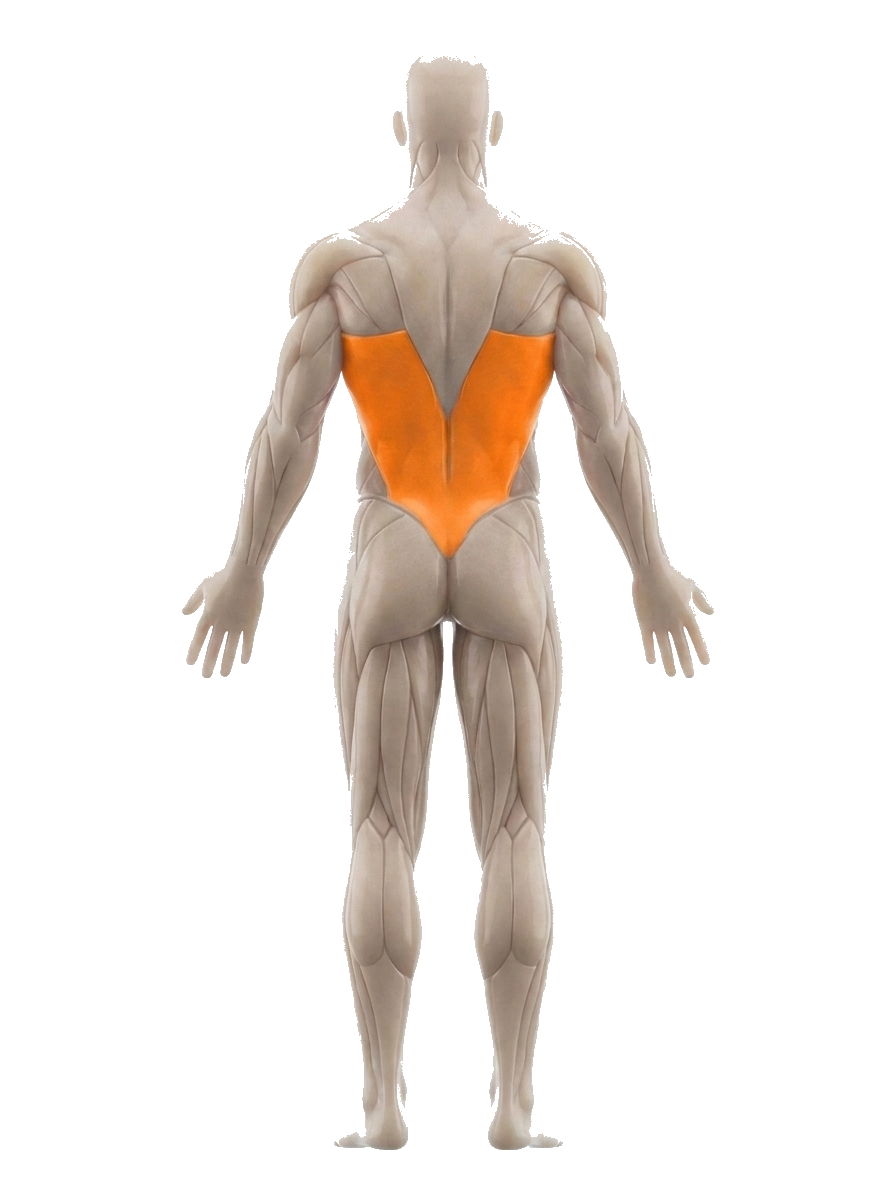
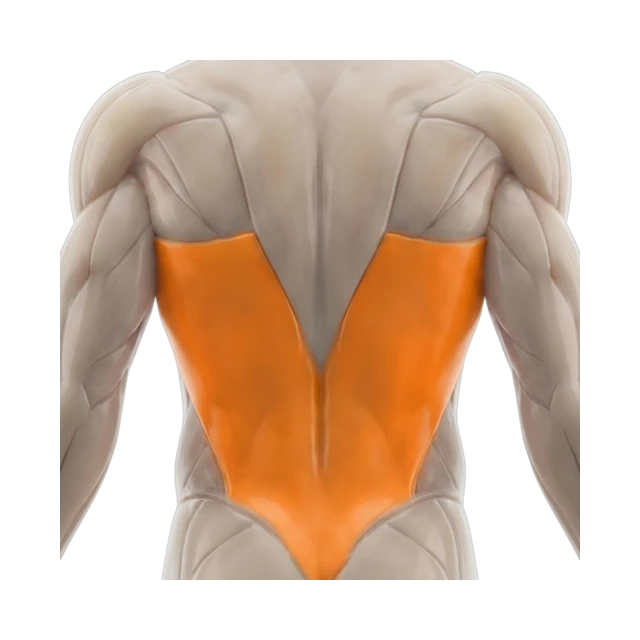
The big fan-shaped muscles down the sides of your back, from your armpits to your waist. They're what makes a back look wide from behind.
Right under your armpits, along the sides of your ribs. It's a broad pull, not a burn in one spot. If the only thing on fire is your arms, your back never really joined in.
Every pull becomes an arm job, and your arms are a fraction of the size. You run out of arm long before your back is anywhere near done.
The latissimus dorsi spans from the lower spine, pelvis and lower ribs up to the inside of the upper arm. It is the largest muscle of the upper body by surface area. Its job is to pull the arm down and back toward the body: adduction and extension of the shoulder, plus some internal rotation.
Every pull-up, pulldown and row is a lat exercise, and the lats also stabilise the spine during deadlifts and squats by creating tension through the whole back. Well-developed lats give the torso its V-shape and improve pulling strength in swimming, climbing and grappling.
The volume and frequency below are programming starting points for the lats, to be adjusted to each person's level and recovery.
Pulling with the arms and biceps instead of driving the elbows down and back.
Shrugging the shoulders up during pulldowns rather than depressing them first.
Rowing with a rounded back and momentum.
Never feeling the lats because the range is cut short at the top.
37 matching exercises
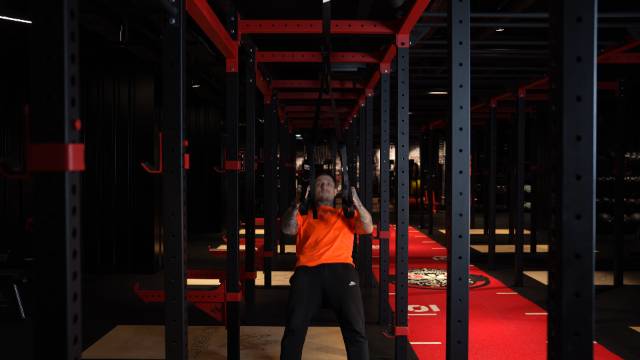
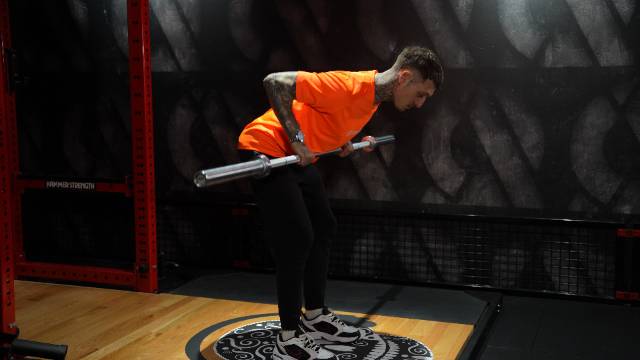
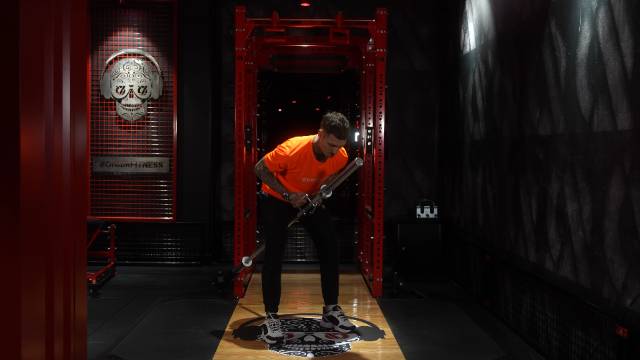
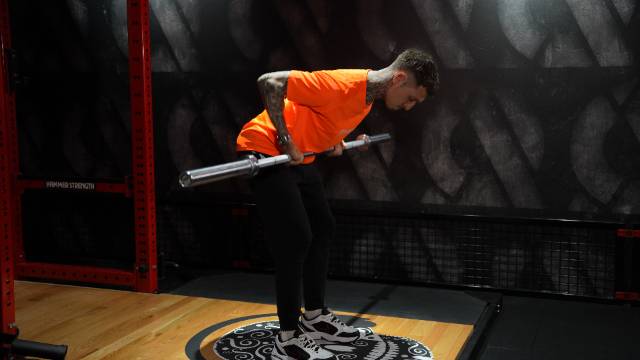
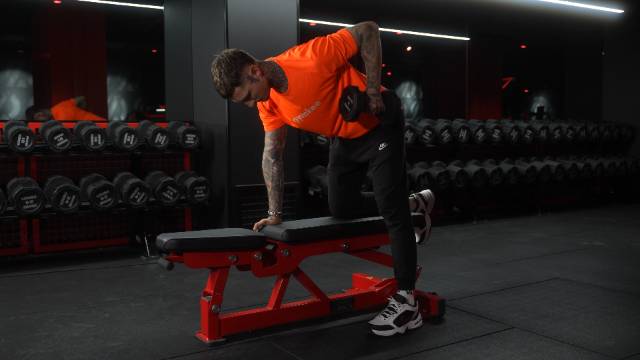
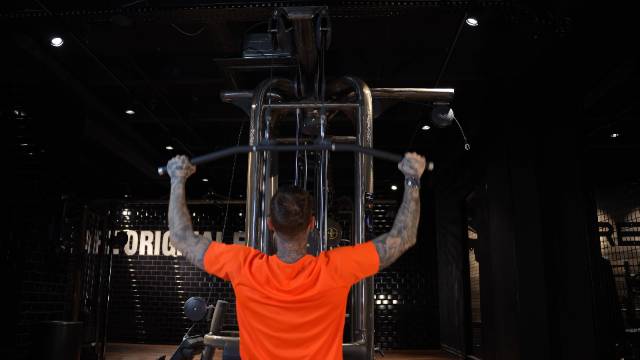
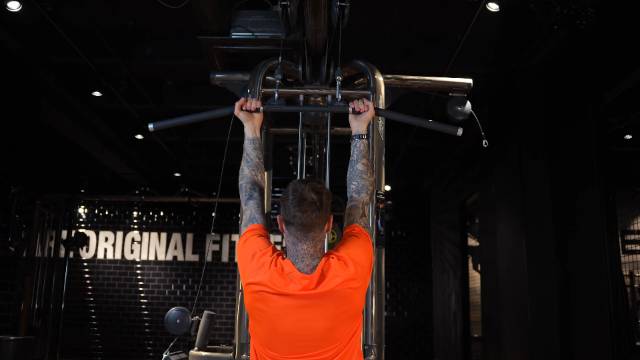
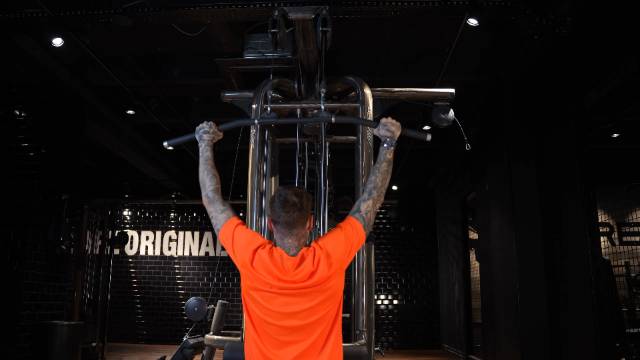
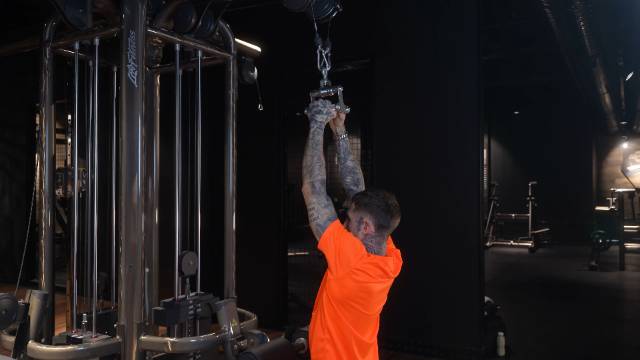
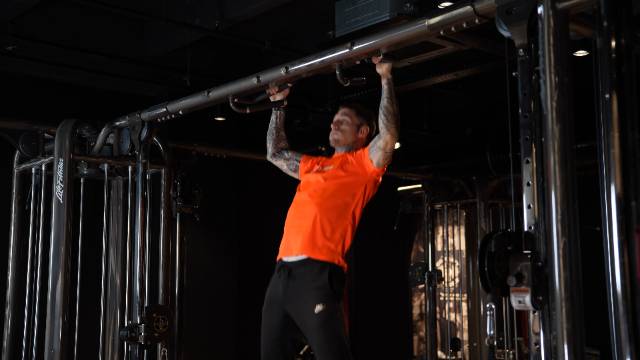
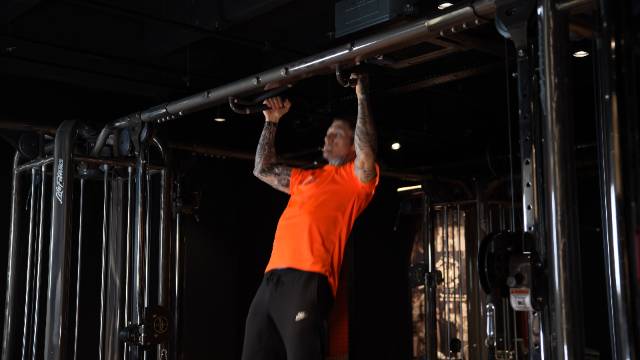
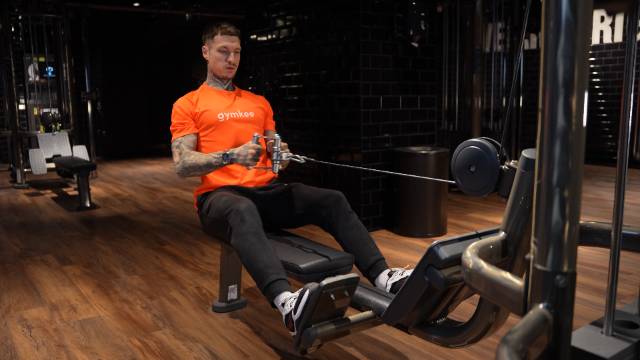
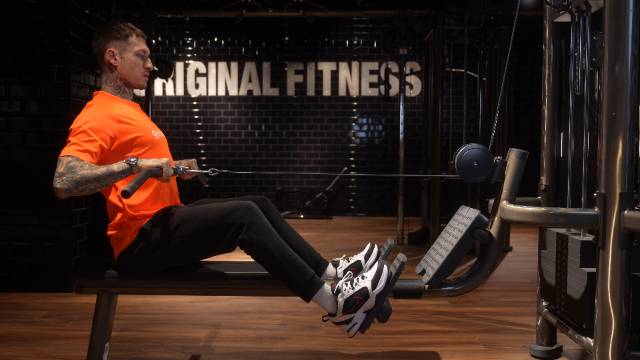
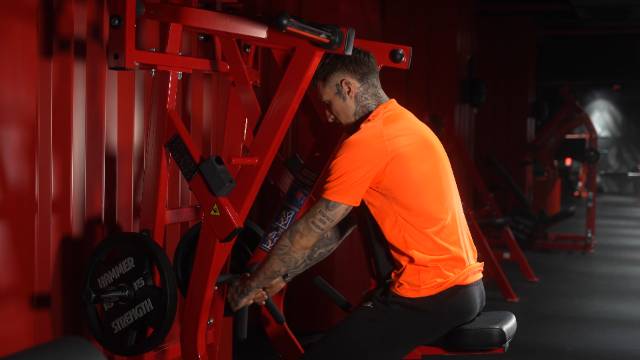
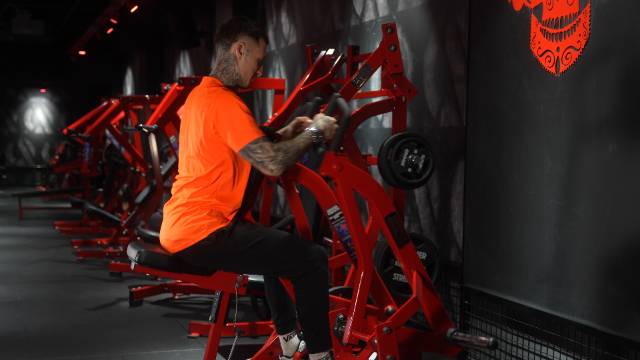
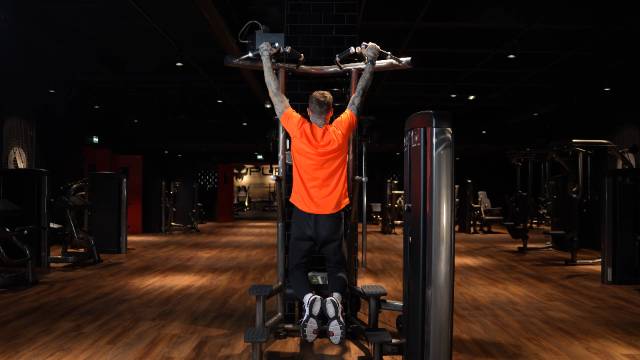
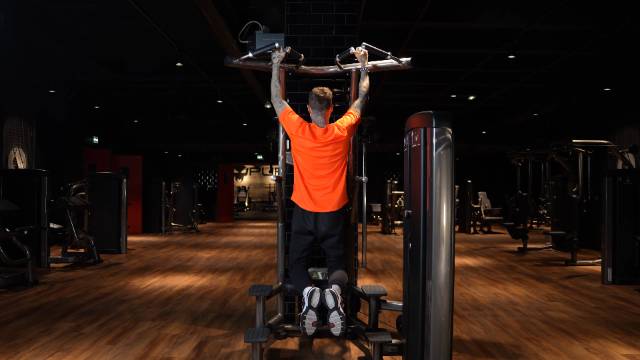
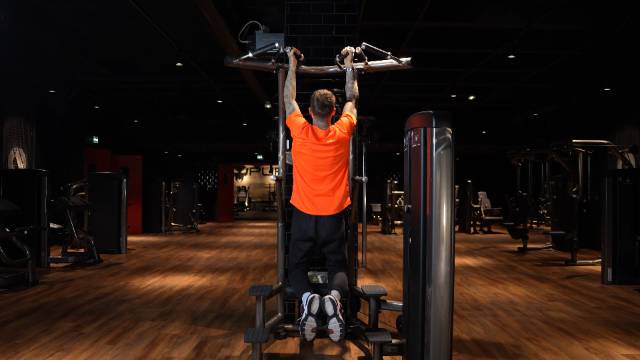
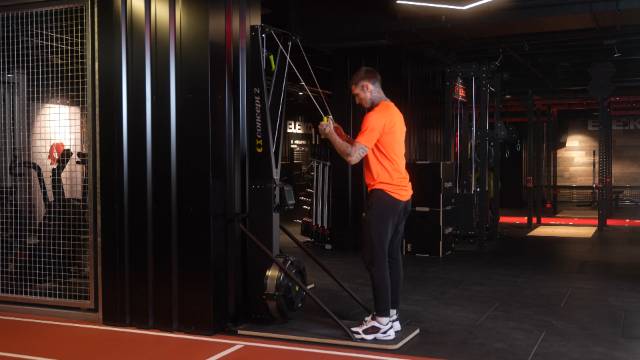
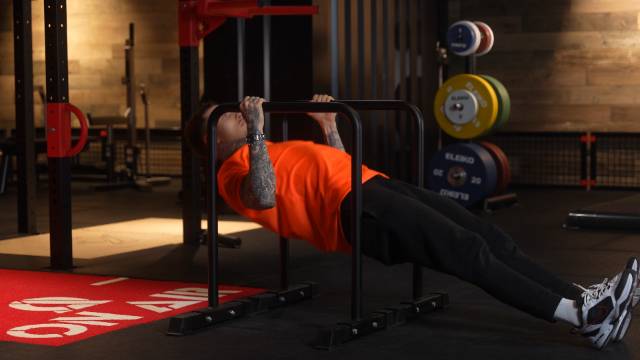
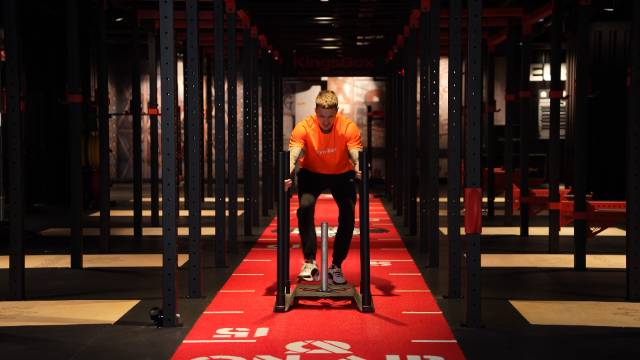
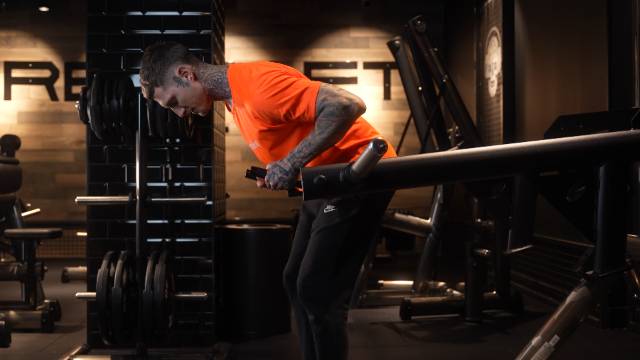
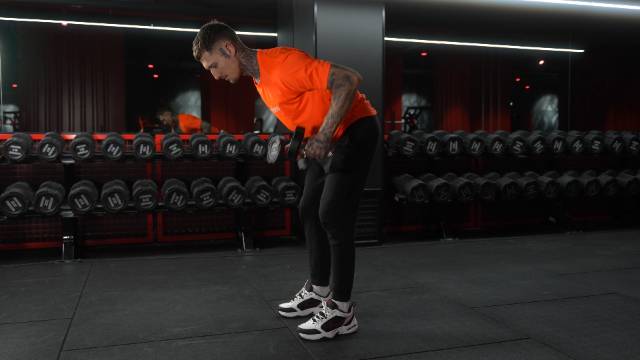
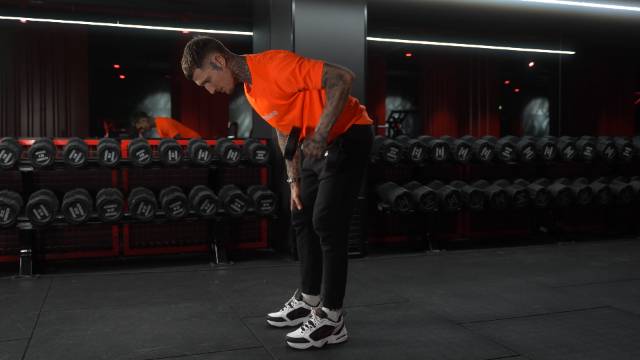
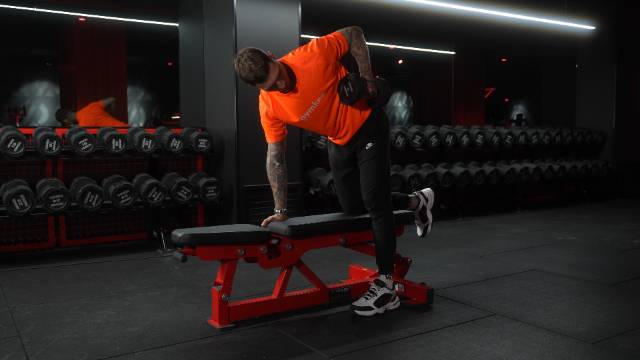
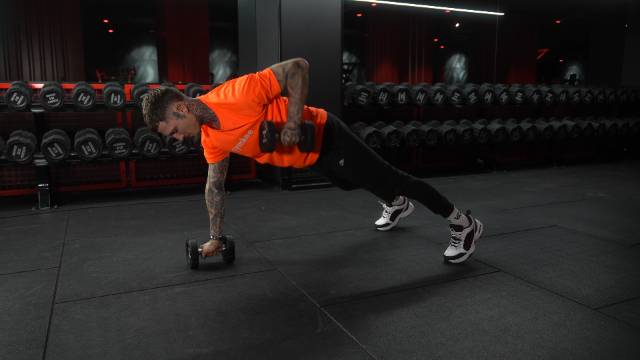
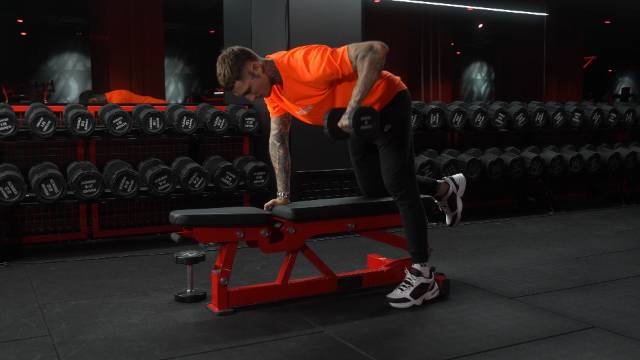
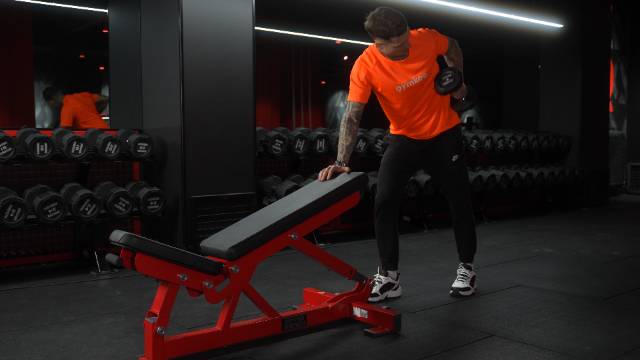
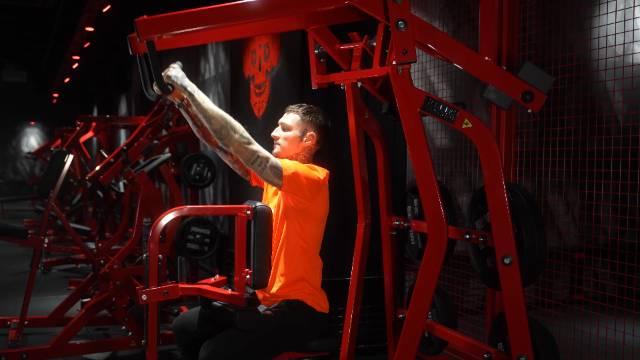
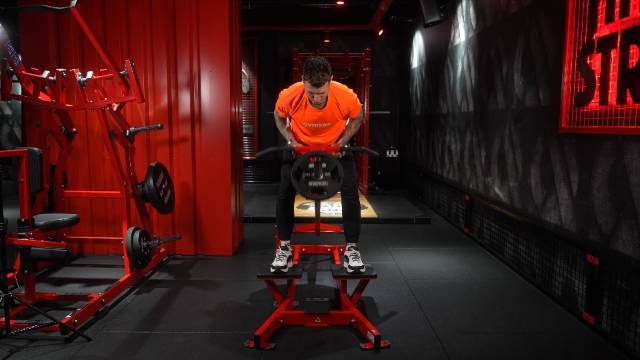
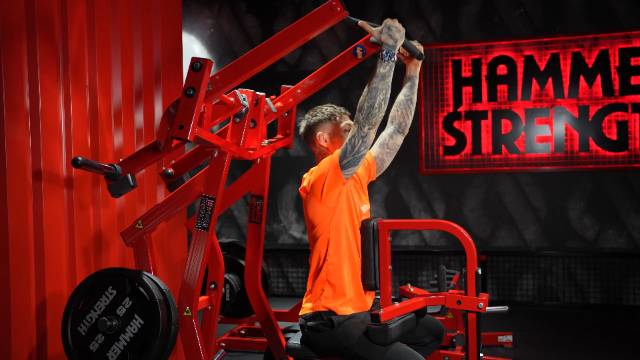
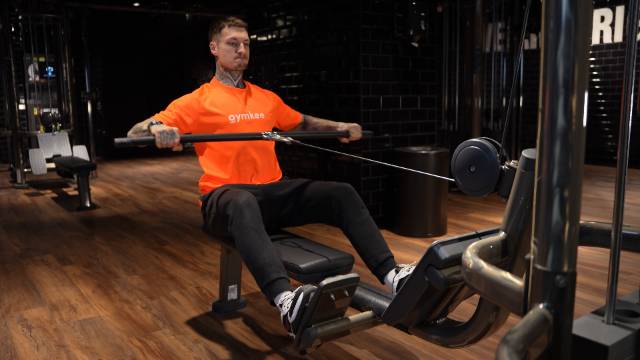
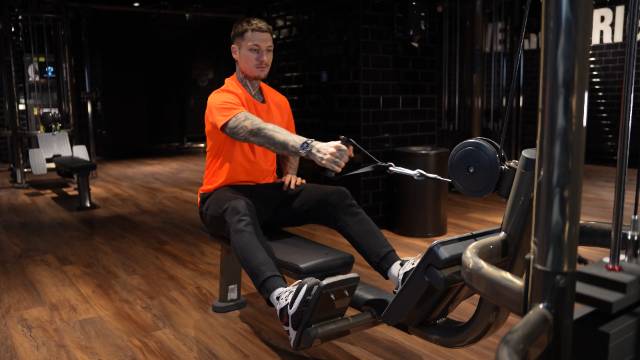
Start each rep by pulling the shoulder blades down, think about driving the elbows toward the hips, and control the descent. Lighter assisted reps done slowly usually teach the connection faster than heavy sets.
Both. Vertical pulls emphasise width through the lats; horizontal pulls add thickness through the mid-back. A complete program includes at least one of each.
A moderately wide, pronated grip emphasises the upper lats; a closer, neutral or supinated grip lets you pull through a longer range and involves the lower lats and biceps more.
Create personalized training programs with Gymkee. Access 550+ exercises in 4K with male and female videos, multiple angles, and step-by-step instructions. Build custom workouts and deliver a professional experience to your clients.