
Decline Bench Press
Learn how to do Decline Bench Press with proper form. Watch the 4K video demonstration, see which muscles are worked, and follow step-by-step instructions.
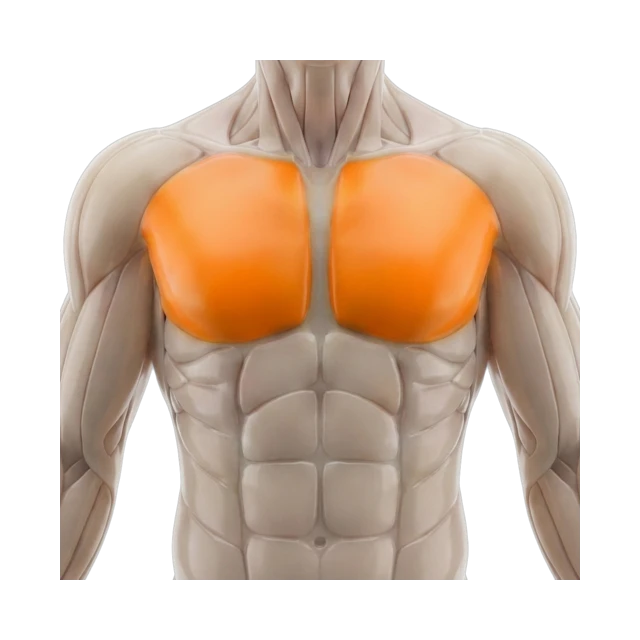
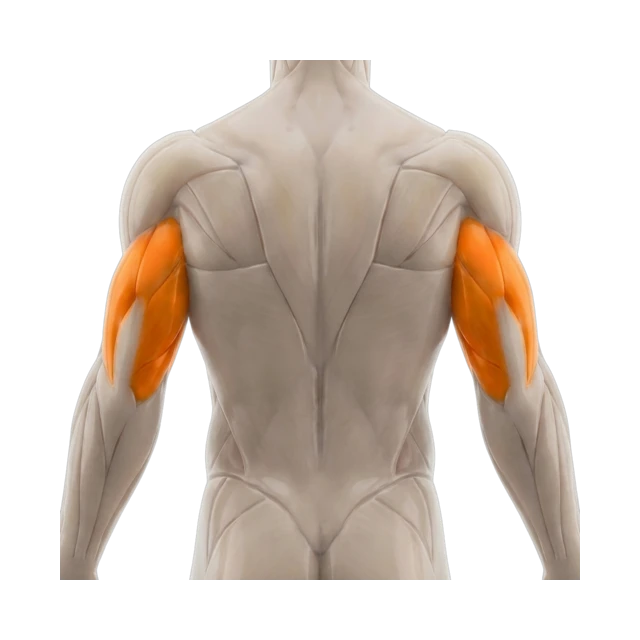
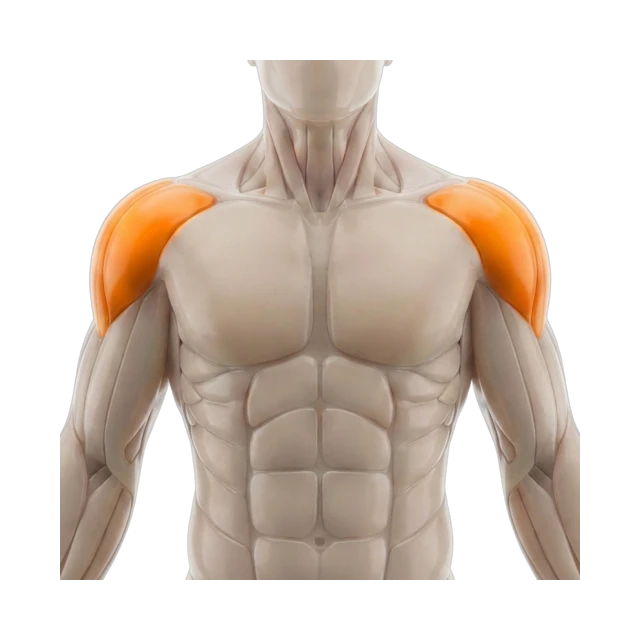
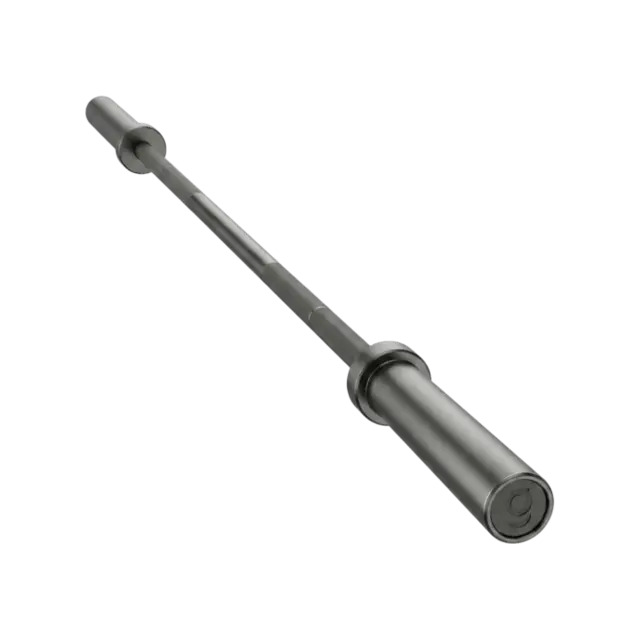
Decline Bench Press is an Olympic Barbell exercise that primarily targets the Chest, with secondary activation of the Triceps, Shoulders. It has a MET value of 5, meaning a 70 kg person burns approximately 180 kcal in a 30-minute session.
How to Do Decline Bench Press
1 - Set up on a decline bench press and load the bar to a weight that lets you properly complete the given reps. Don't forget to place the safety clips on the ends.
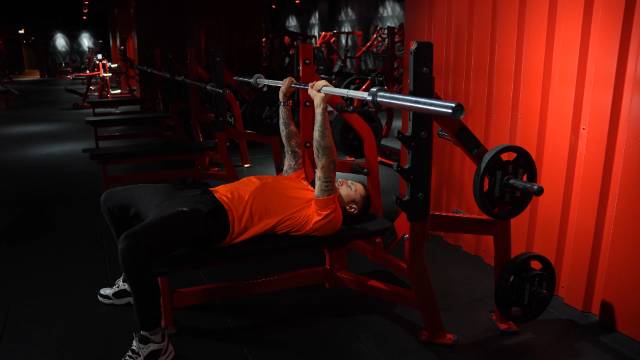
2 - Lie on your back, secure your legs and grab the bar with a medium grip (a 90° angle should form between your forearms and upper arms). Lift the bar off the rack and bring it right above you.
Nice, you're in the starting position
3 - Now, slowly lower the bar until it touches the center of your chest.
4 - After a very short pause, push the bar back to the starting position while squeezing your pecs.
5 - Once all reps are done, rack the bar back in place.
Feel free to rewatch the video to fully understand the movement.
You're a coach? Decline Bench Press is already in Gymkee's library of 550+ 4K exercises. Add it to your programs in seconds.
Start free trialMuscles & equipment
Calorie Calculator
MET 5kcal = MET × weight (kg) × time (hours)
Quick Facts: Decline Bench Press
- Type
- Olympic Barbell exercise
- Primary muscle
- Chest
- Secondary muscles
- Triceps, Shoulders
- MET value
- 5
- Calories (30 min, 70 kg)
- ≈ 180 cal
- Video quality
- 4K with male and female demonstrations
More Chest Exercises




FAQ: Decline Bench Press
Alternative Exercises

Add Decline Bench Press to your coaching programs
Create personalized training programs with Gymkee. Access 550+ exercises in 4K with male and female videos, multiple angles, and step-by-step instructions. Build custom workouts and deliver a professional experience to your clients.
© 2019–2026 KEEZOKU SAS. All exercise content (videos, descriptions, data) is protected intellectual property. Unauthorized reproduction, distribution, or modification is prohibited.
