
What it lets you do
- Getting a full pan down off the top shelf.
- Lifting a toddler up onto your shoulders.
- Painting a ceiling and still holding the roller steady in the tenth minute.
Three heads, every direction of movement.
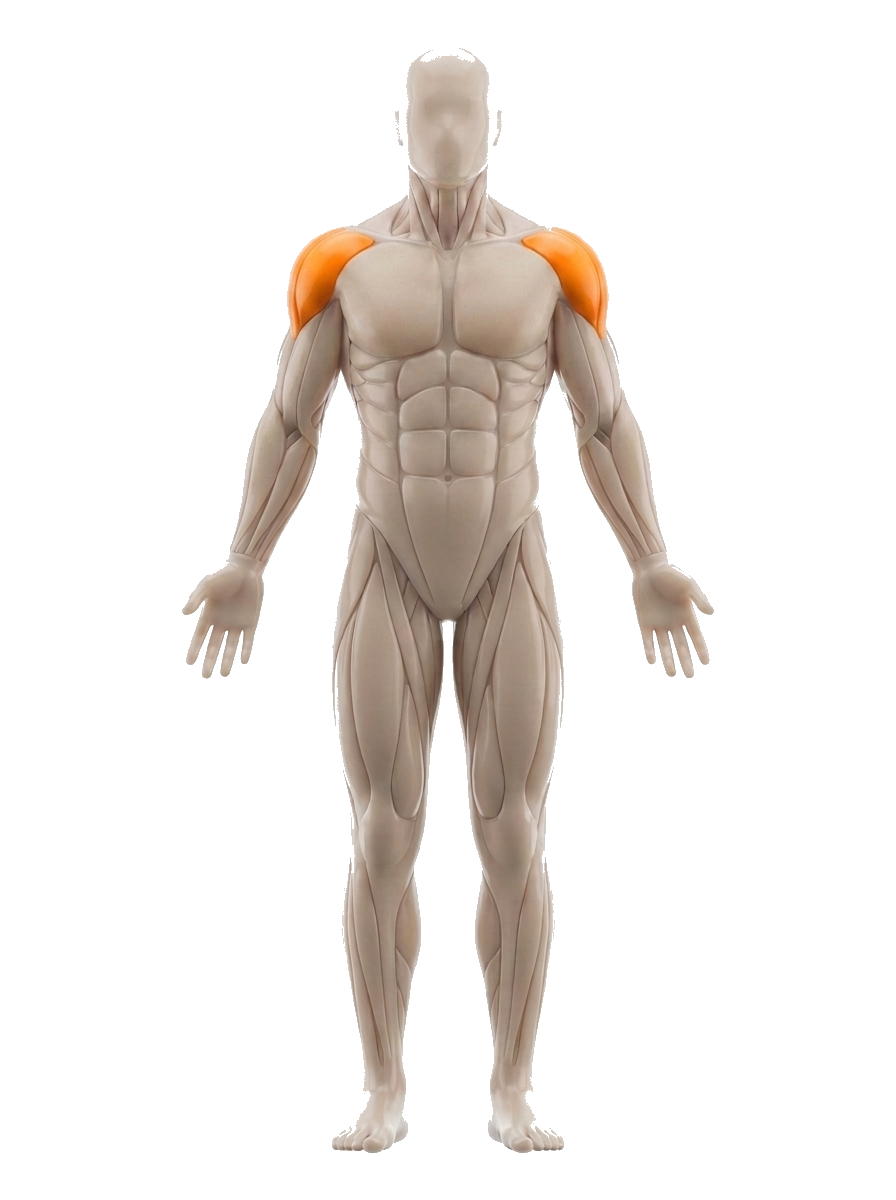
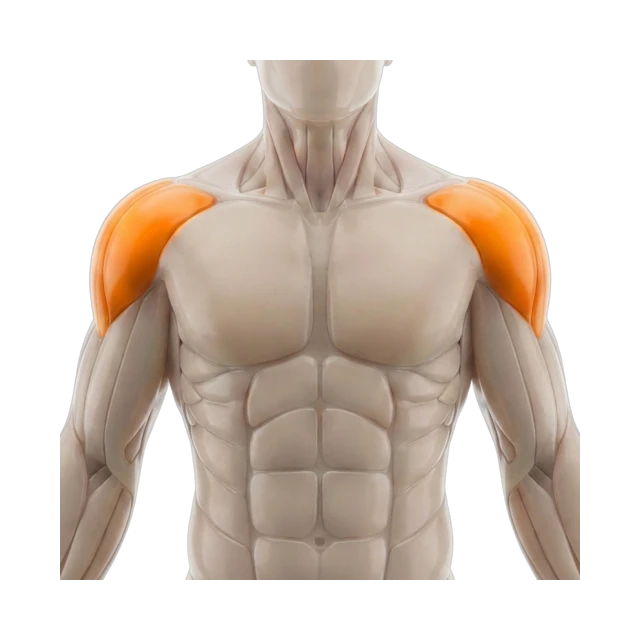
The rounded cap on top of your arm. It's really three muscles pointing three different directions, which is why one exercise never covers all of it.
Right on the cap of the shoulder. On lateral raises it should burn on the outside, not in the front. If it's all front, you're pressing the weight instead of raising it.
Overhead starts to feel risky, so you reach for things less and lift less above your head. The shoulder keeps only what you keep asking of it.
The deltoid caps the shoulder and splits into three heads. The anterior head raises the arm forward and assists every pressing movement. The lateral head lifts the arm out to the side and gives the shoulders their width. The posterior head pulls the arm backward and works on every row and rear-delt fly.
Beneath the deltoid, the rotator cuff (four small muscles) keeps the ball of the humerus centred in the socket. The shoulder is the most mobile joint in the body, which makes it powerful and vulnerable at the same time. Balanced training across all three heads plus the rotator cuff is what keeps it healthy.
The volume and frequency below are programming starting points for the shoulders, to be adjusted to each person's level and recovery.
Training front delts on chest day and again on shoulder day while rear delts get almost nothing.
Swinging the torso on lateral raises to lift heavier weight.
Pressing overhead with an over-arched lower back instead of bracing the core.
Shrugging the traps at the top of lateral raises, which takes tension off the deltoid.
110 matching exercises
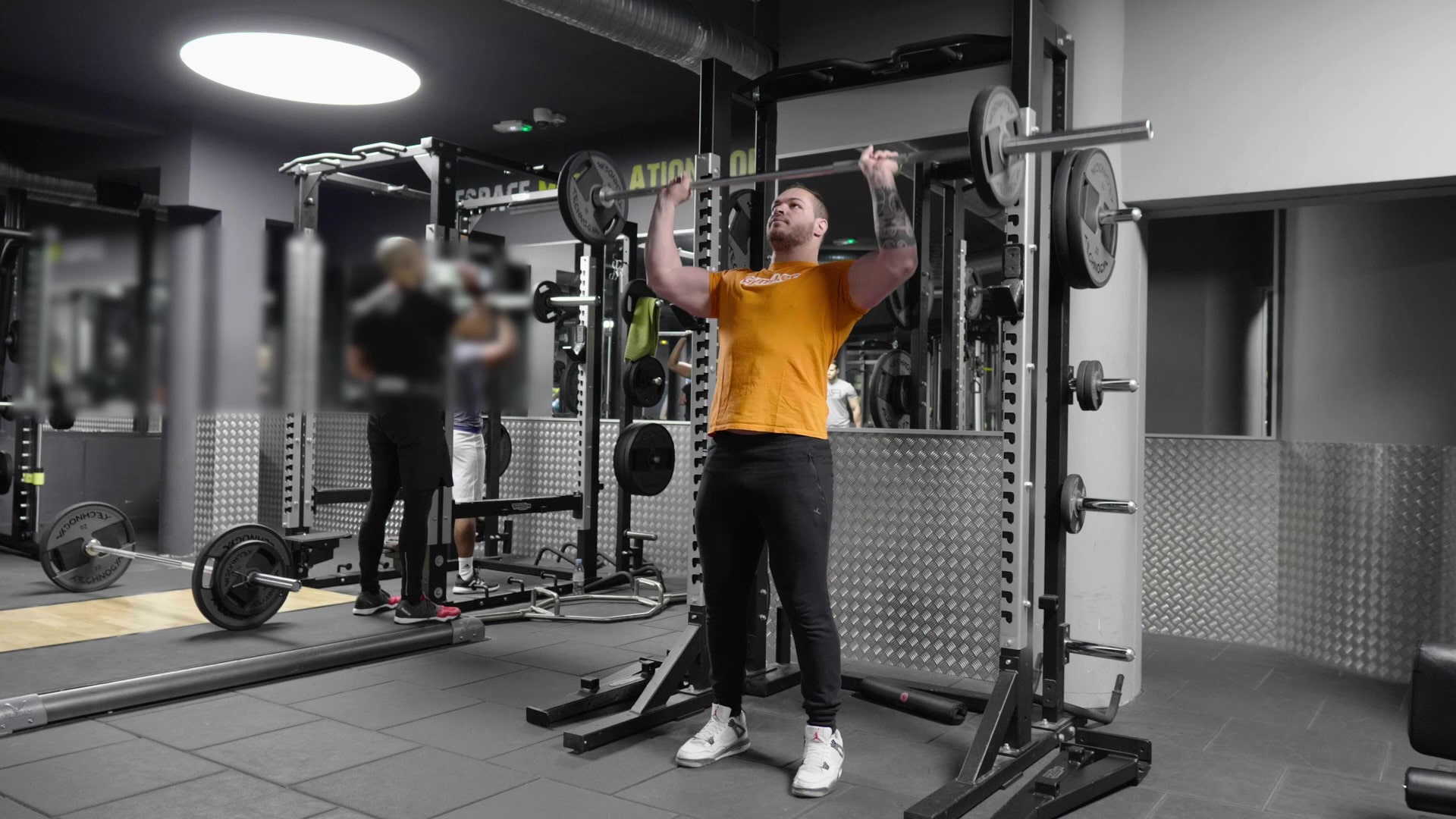
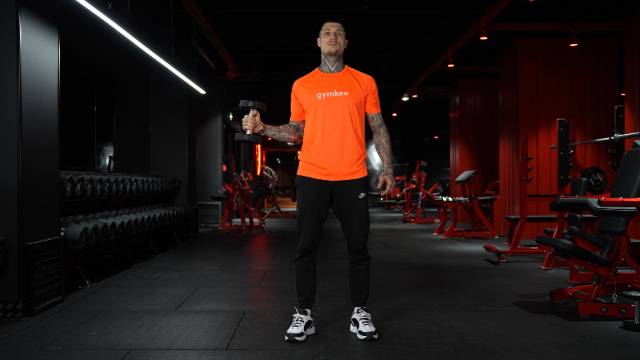
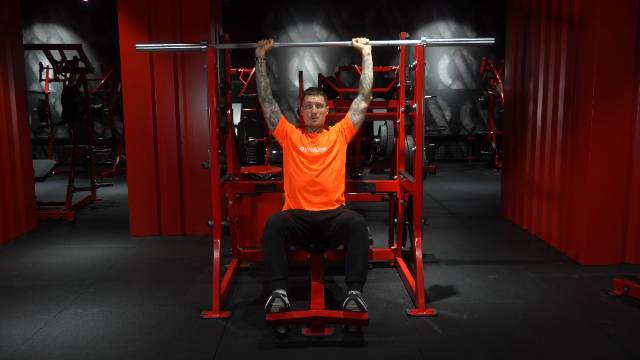
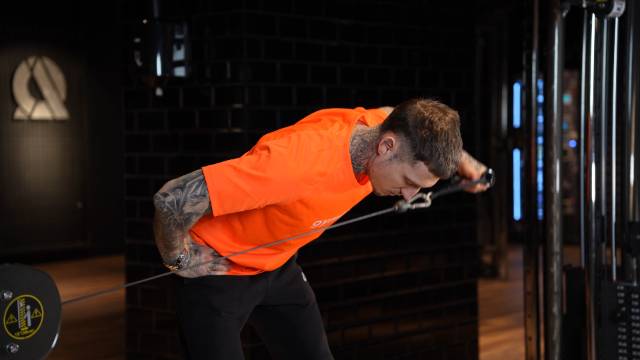
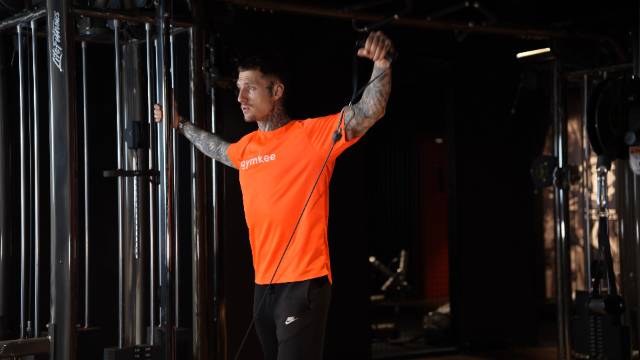
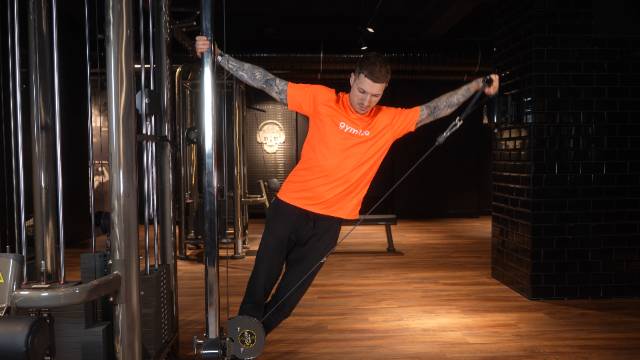
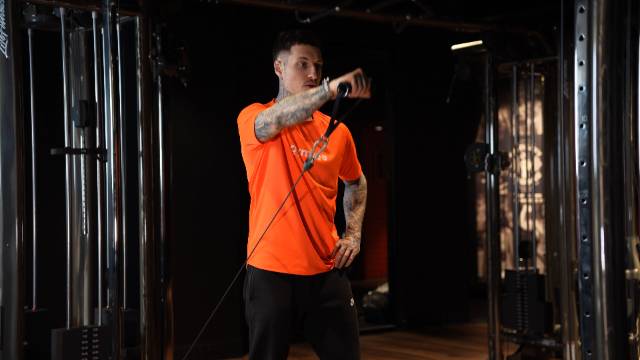
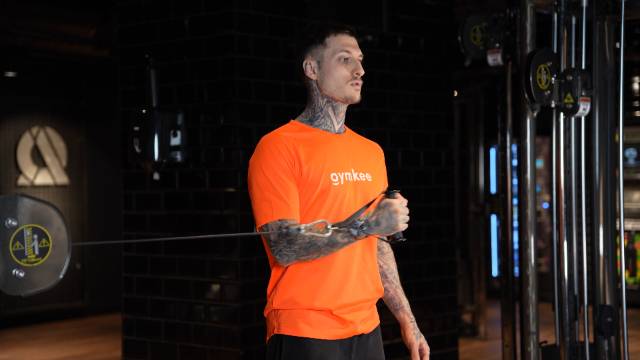
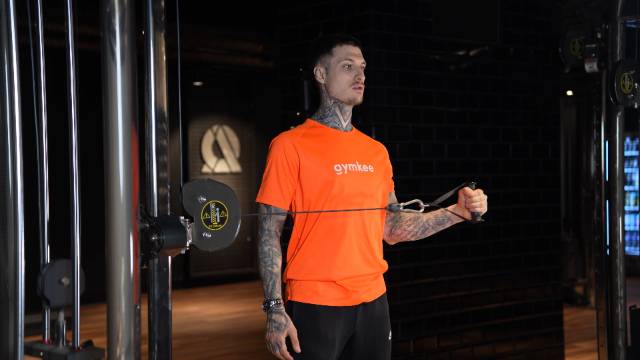
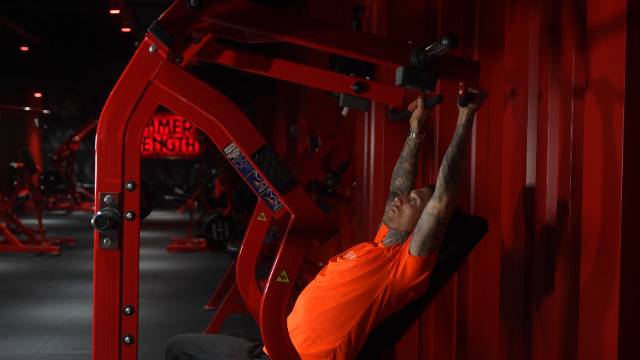
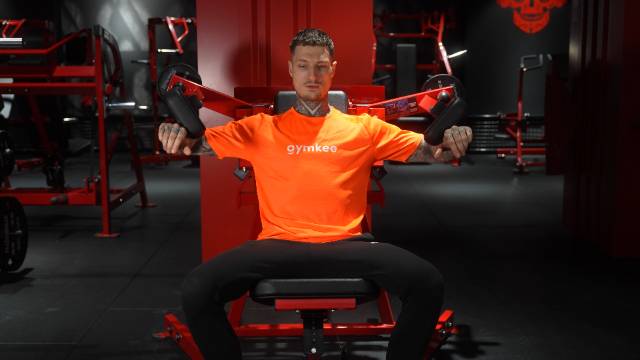
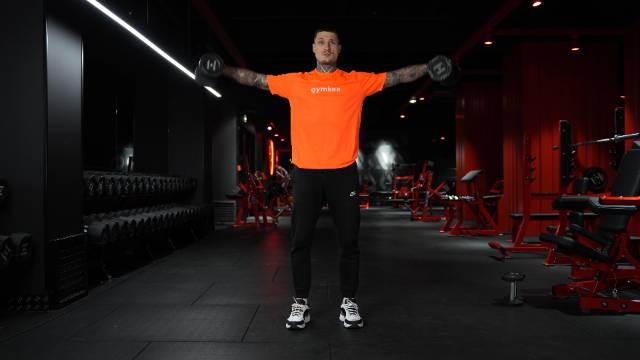
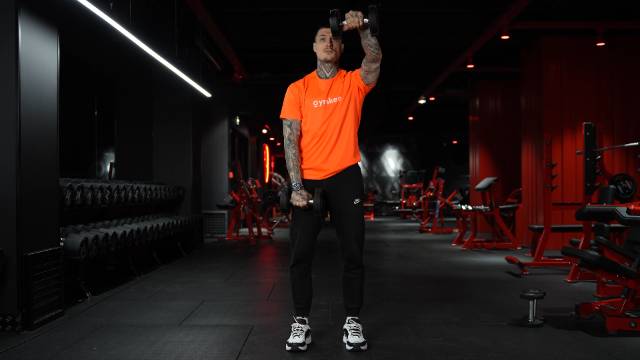
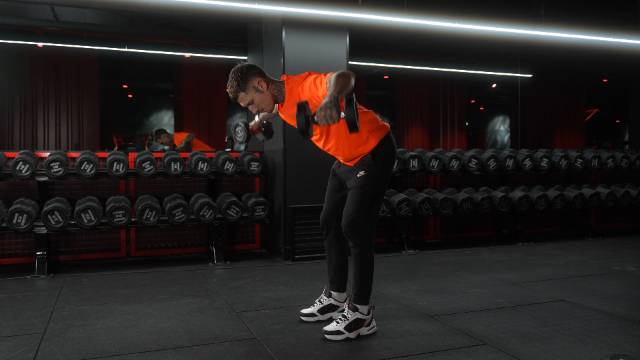
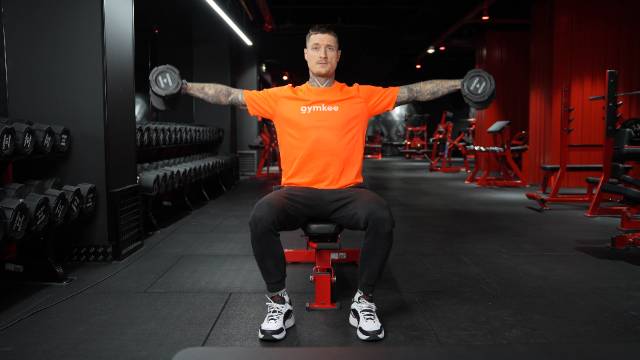
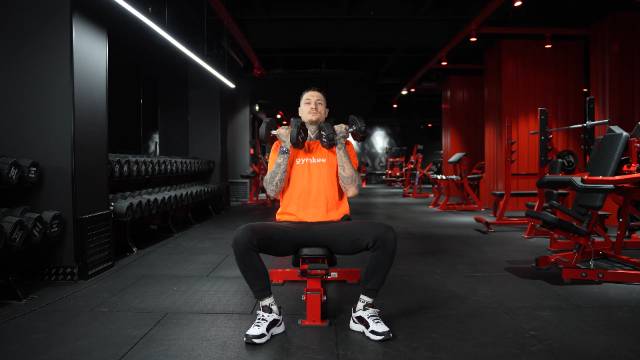
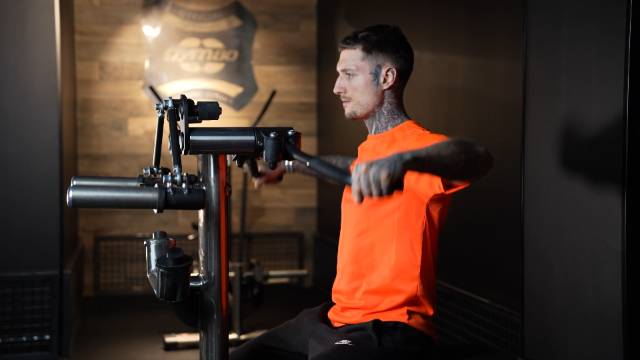
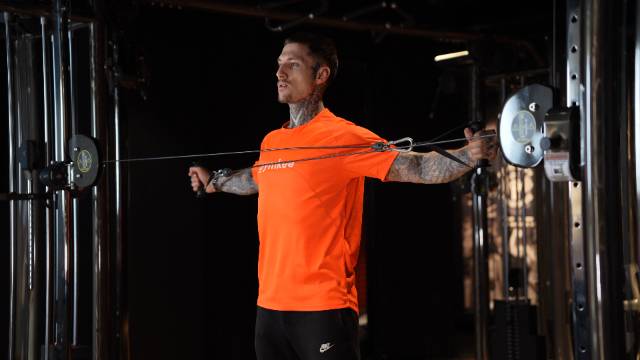
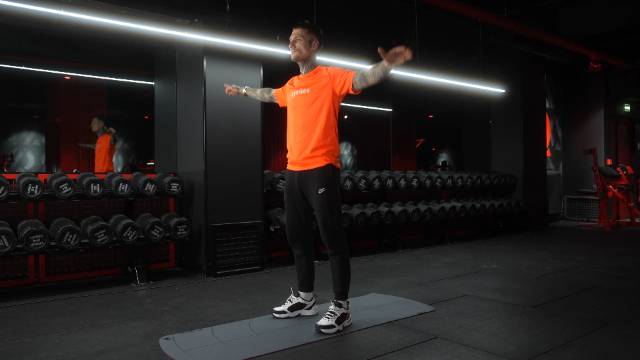
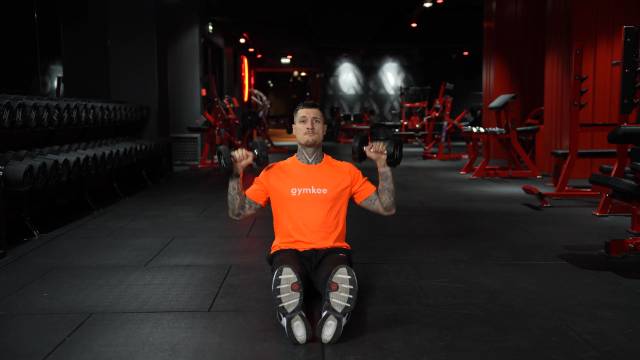
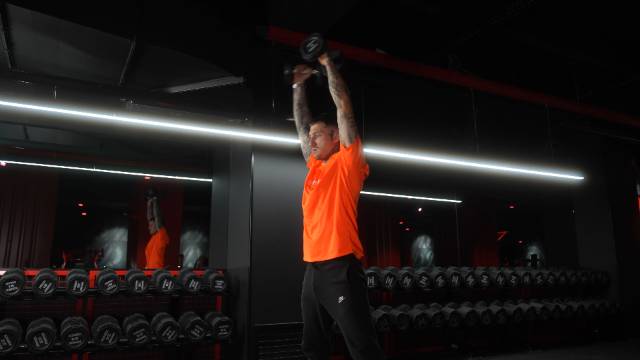
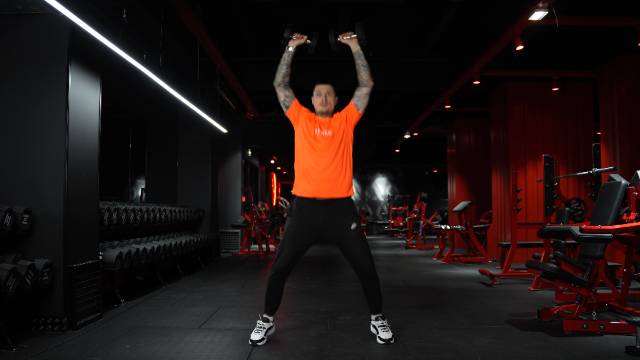
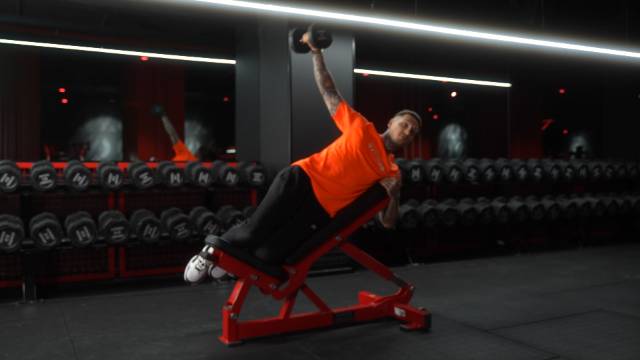
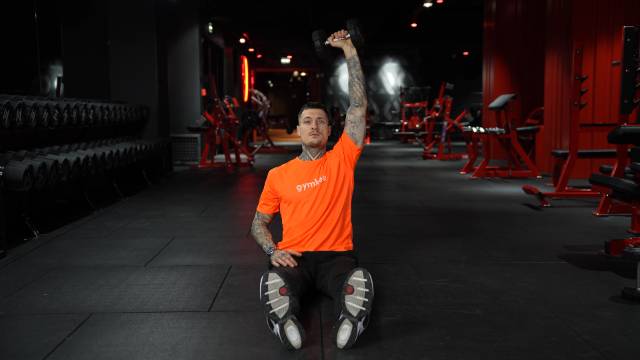
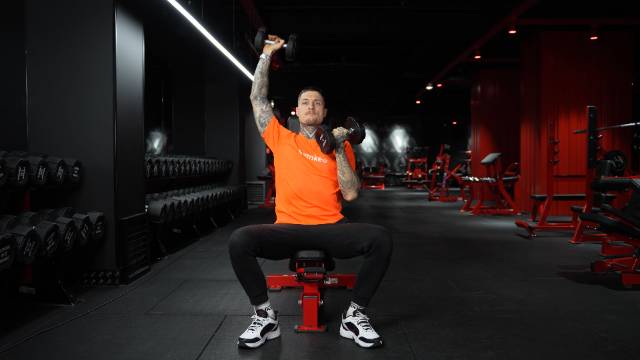
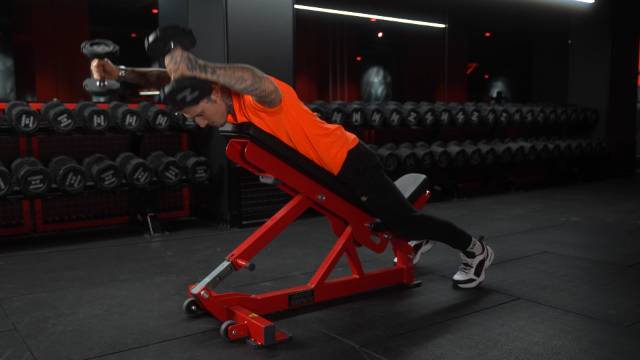
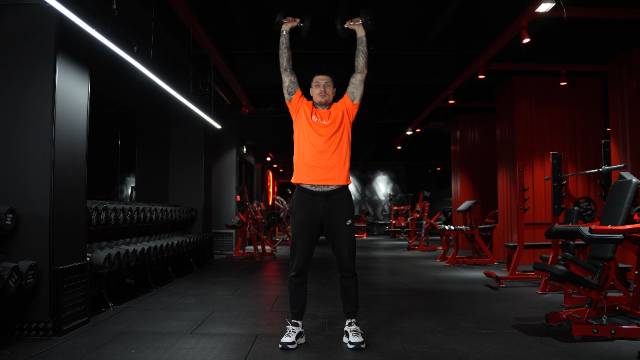
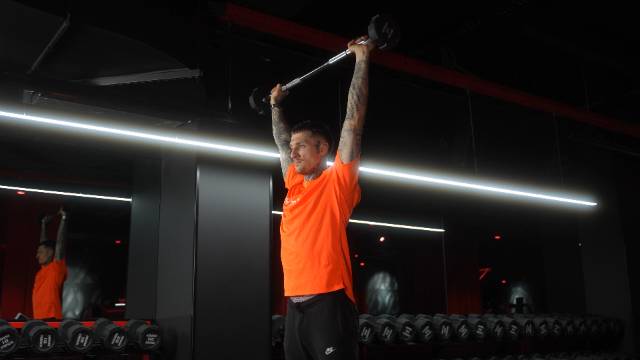
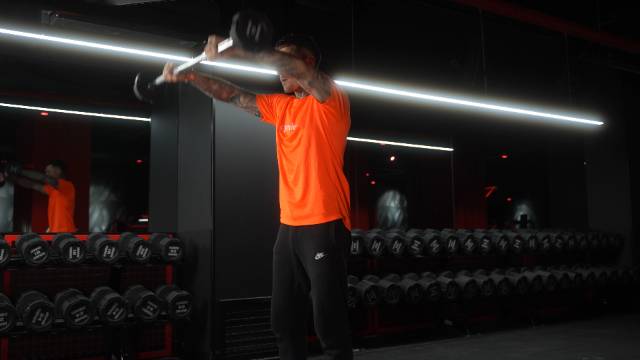
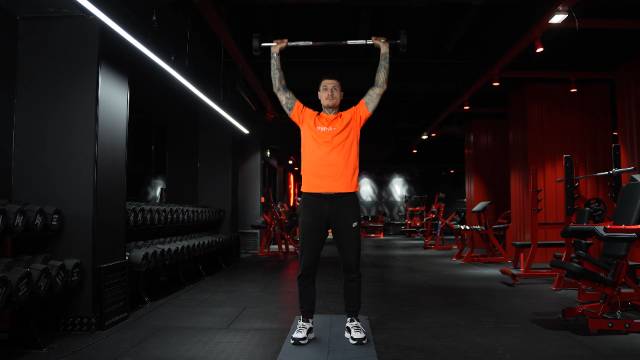
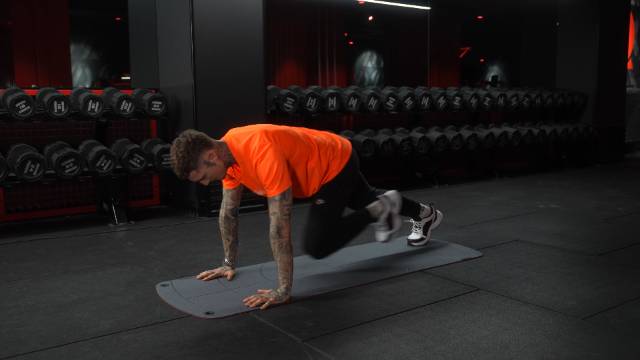
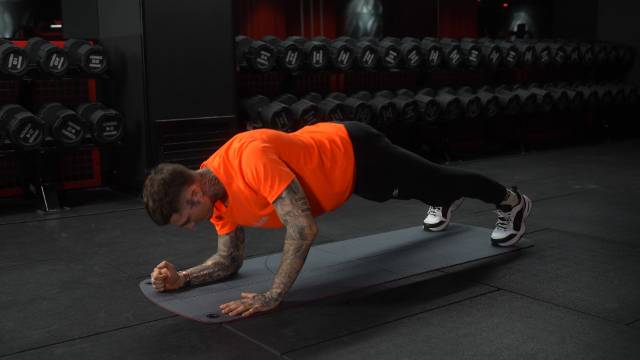
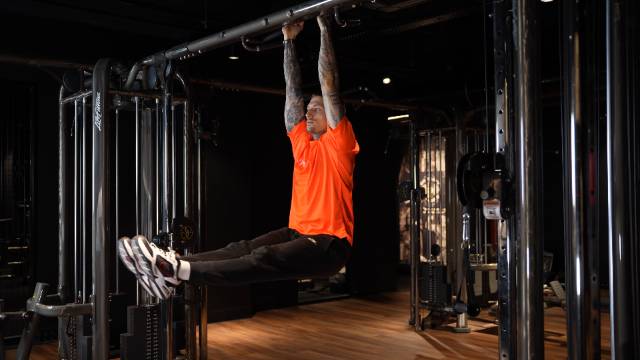
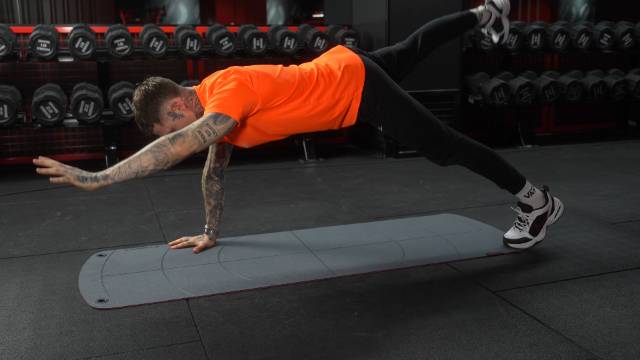
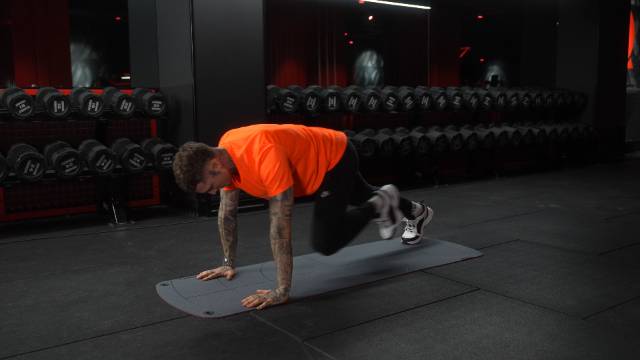
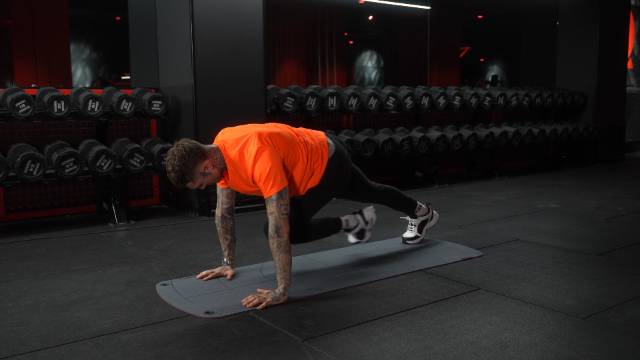
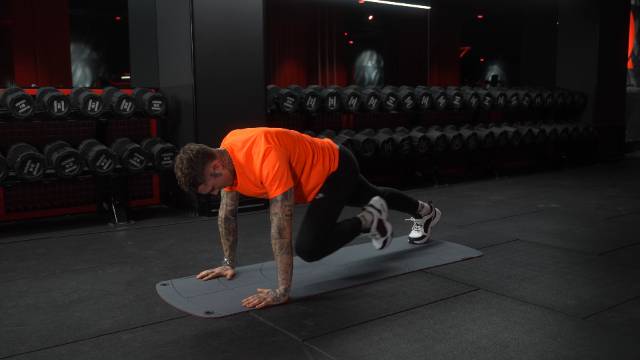
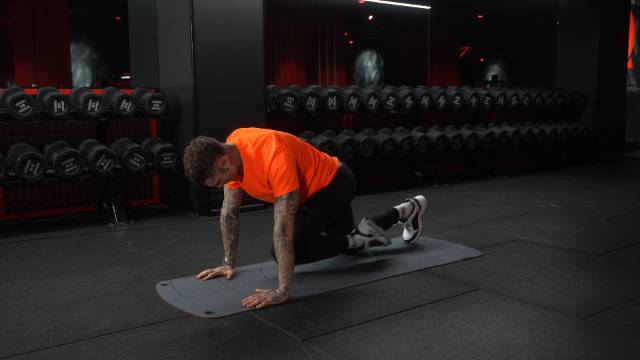
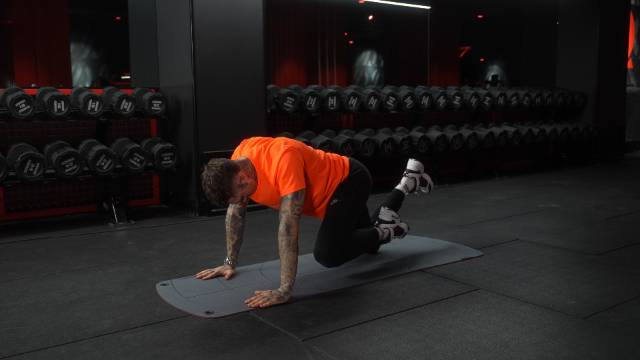
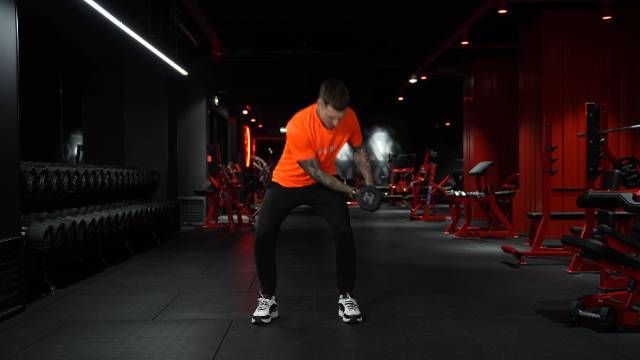
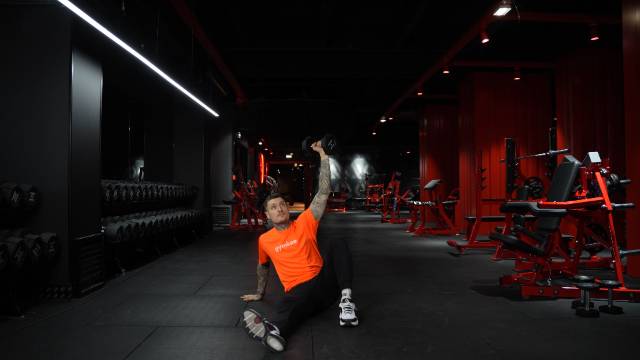
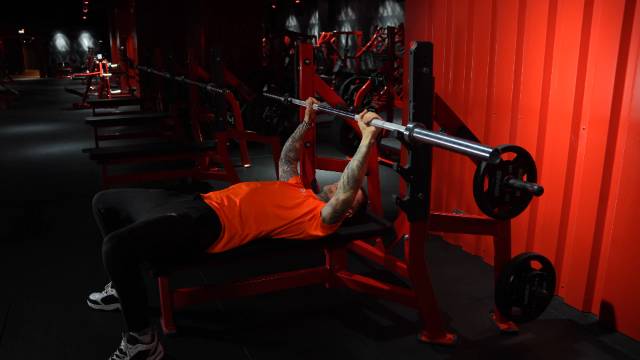
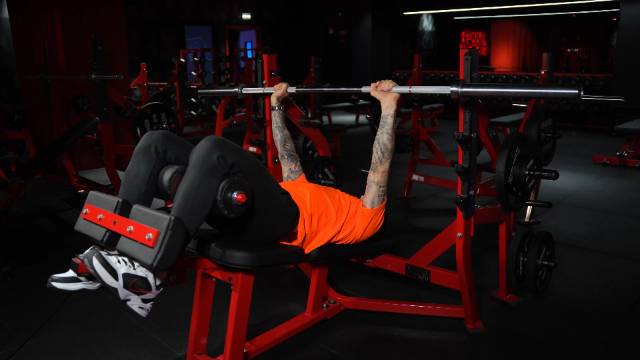
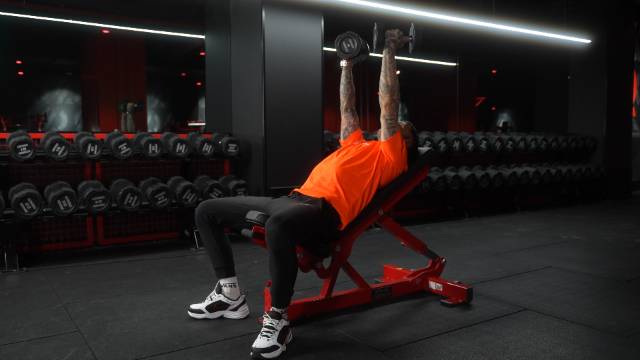
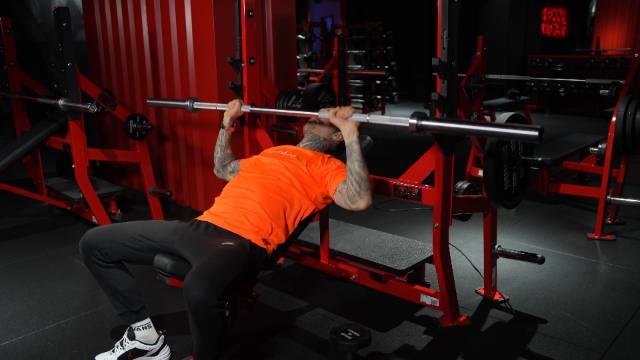
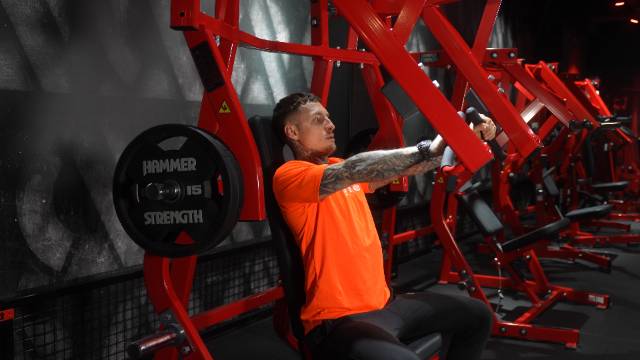
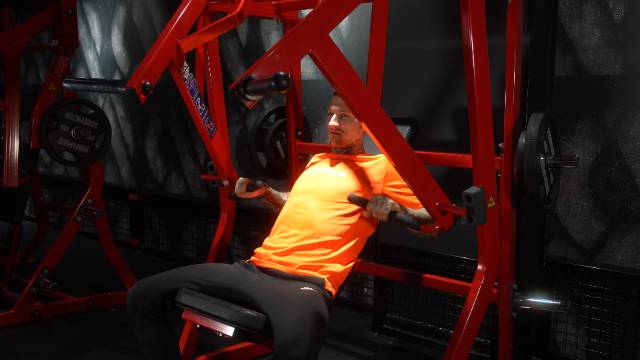
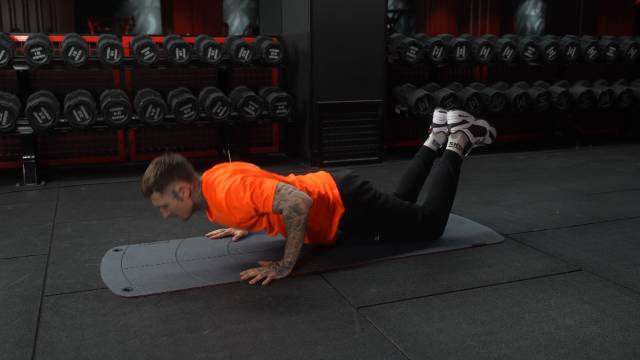
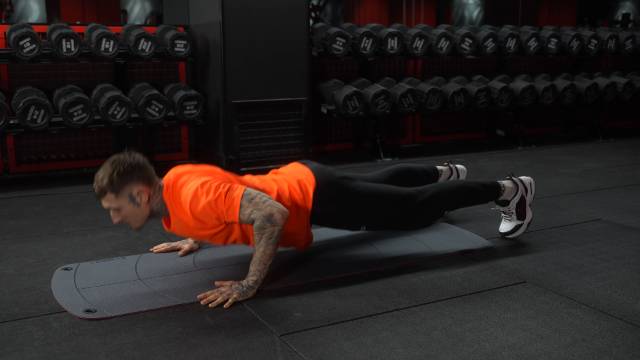
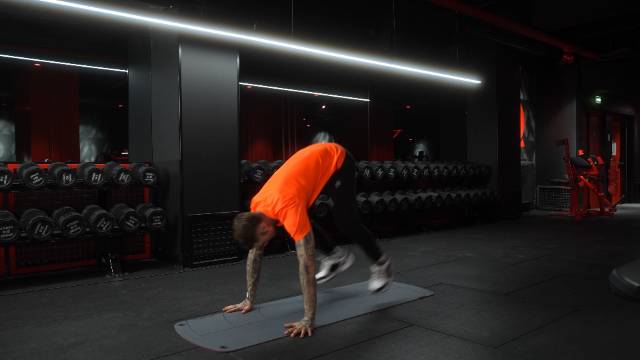
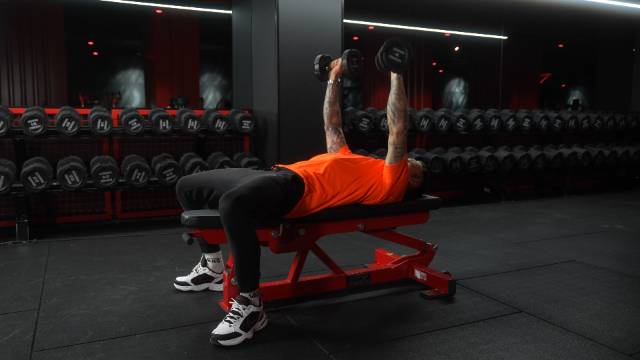
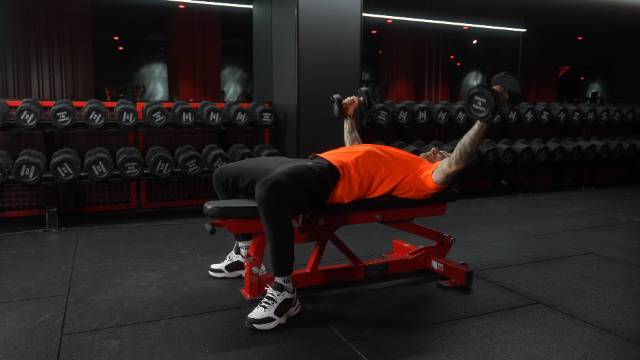
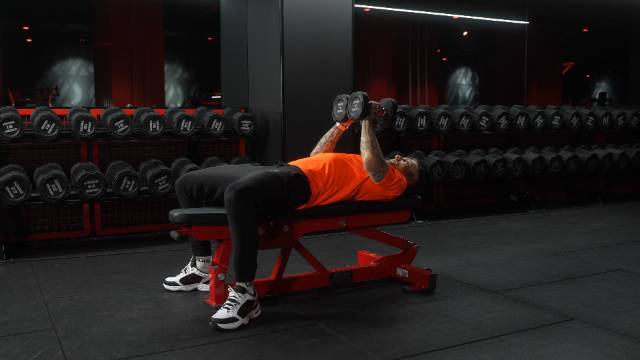
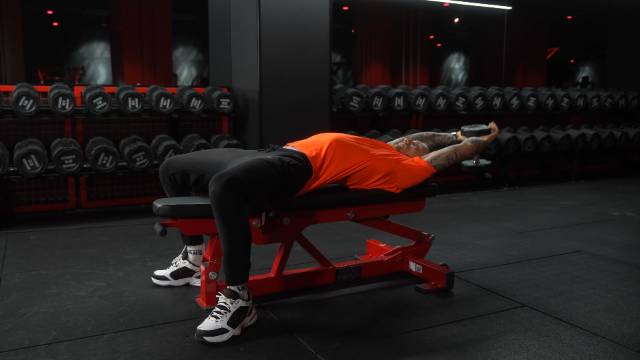
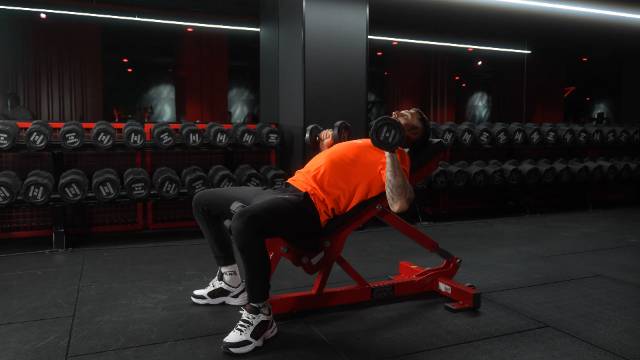
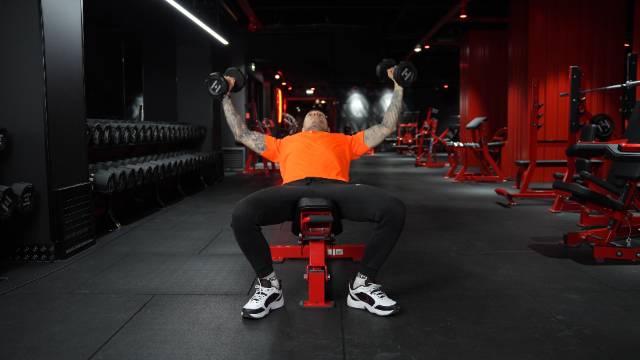
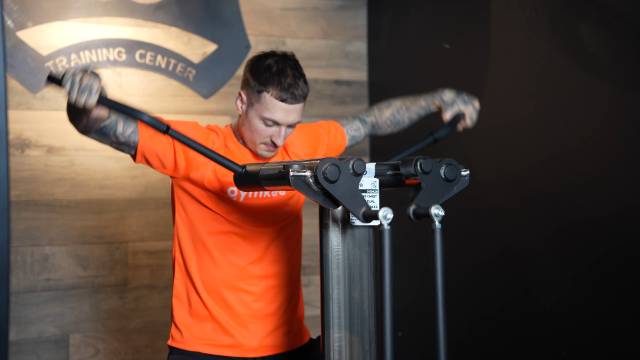
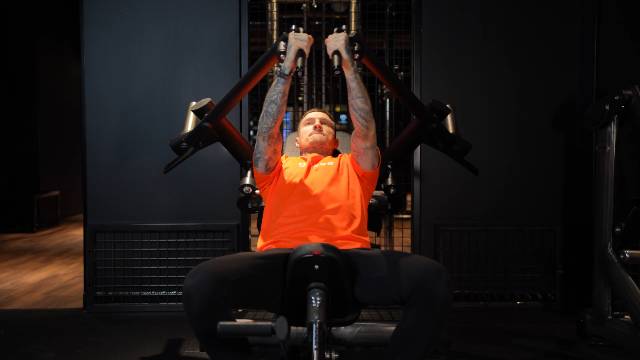
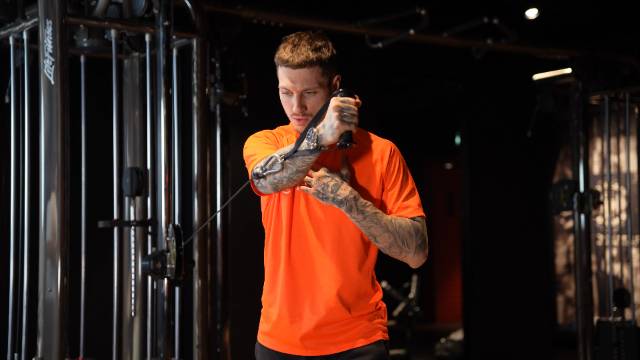
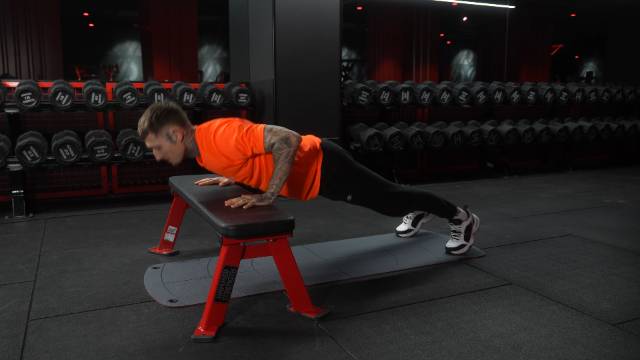
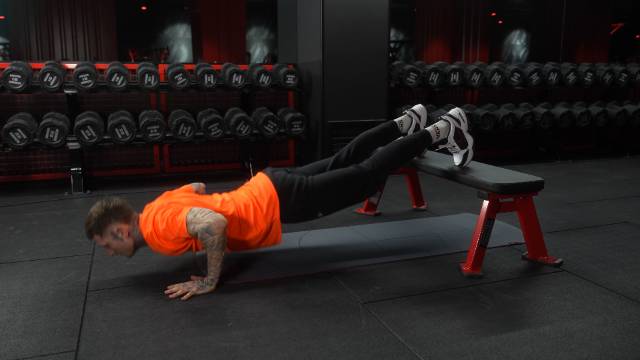
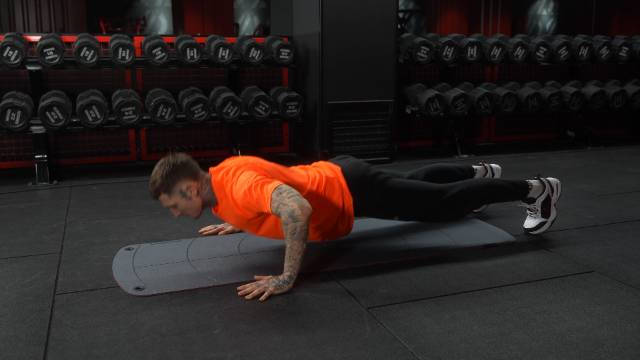
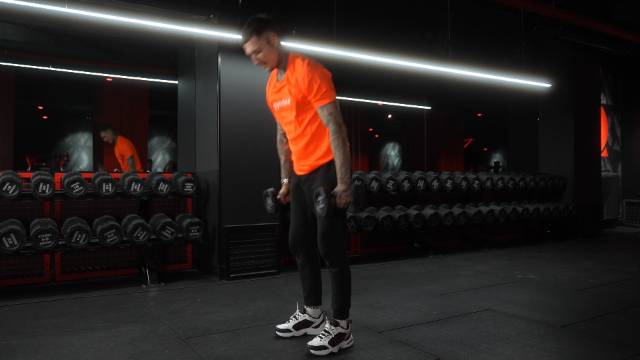
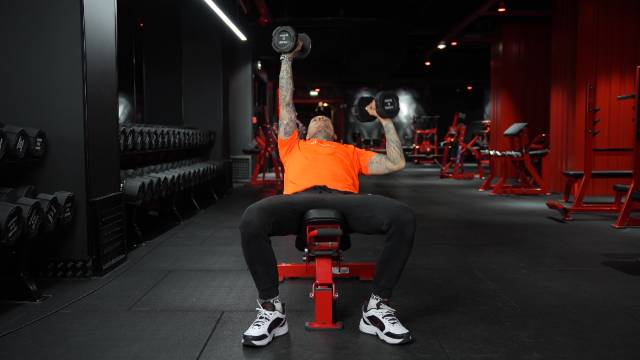
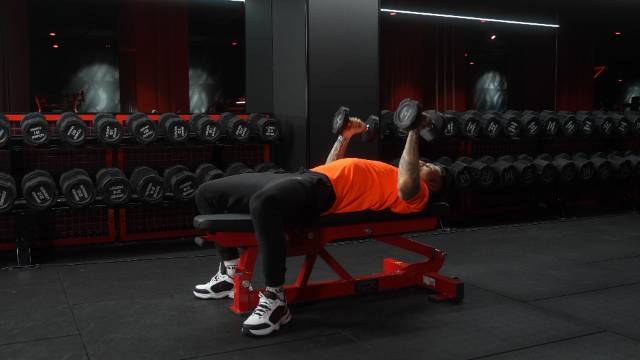
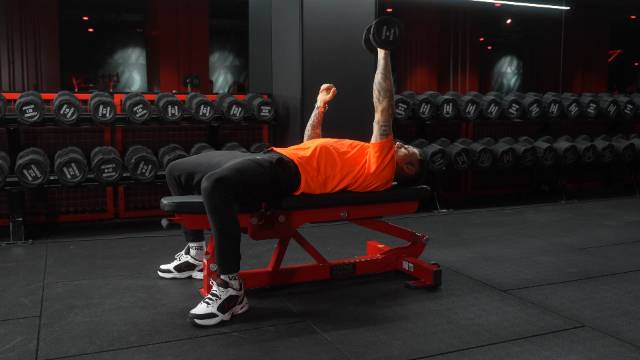
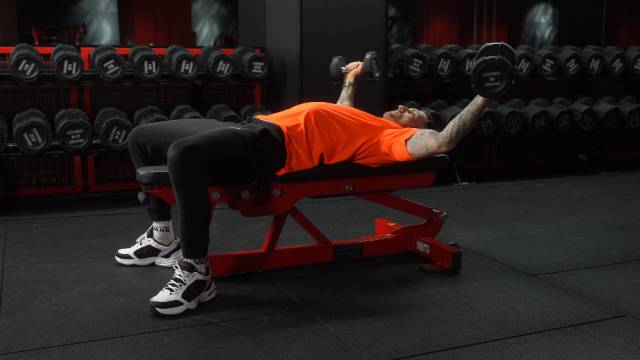
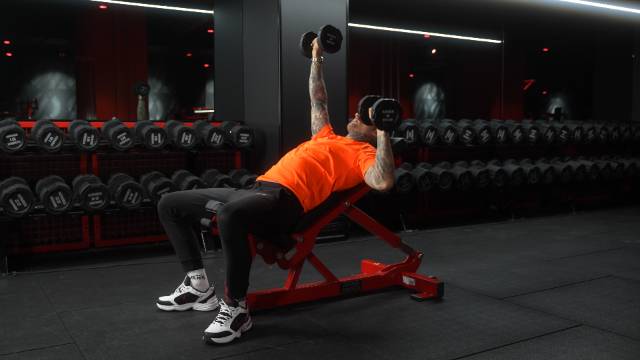
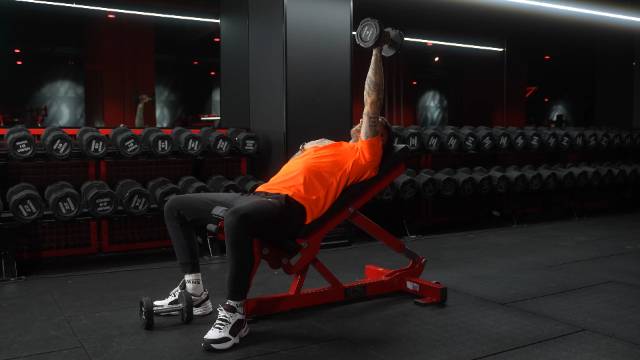
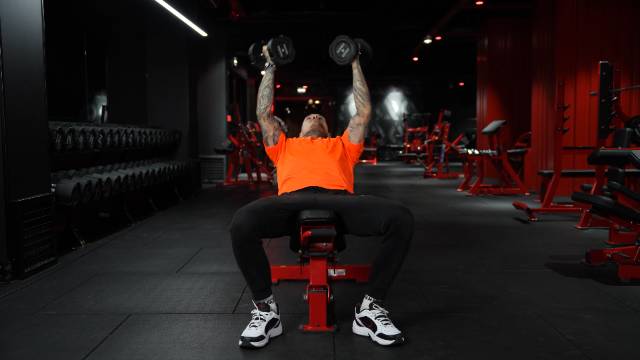
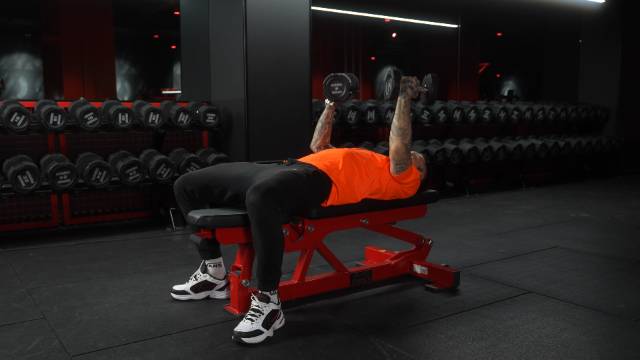
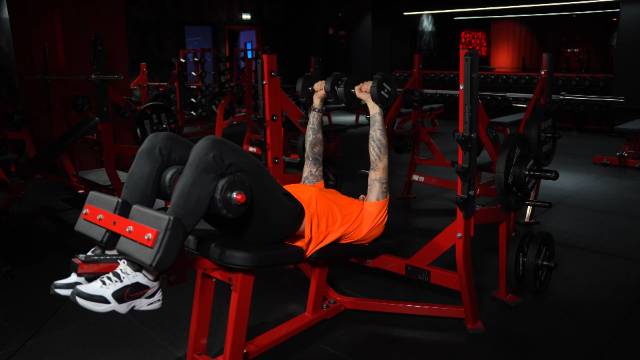
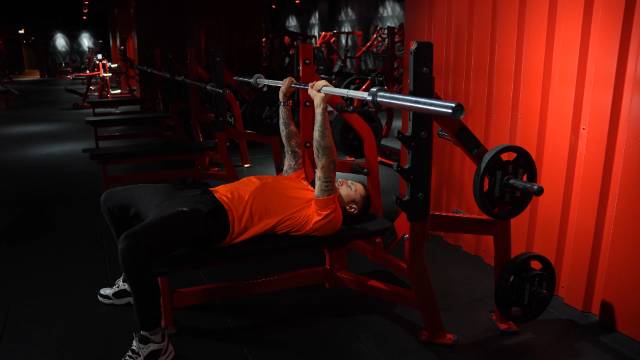
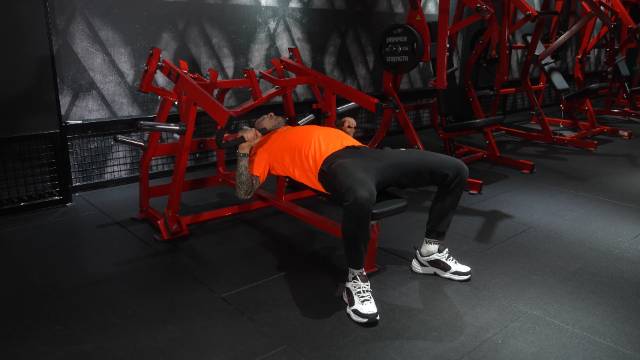
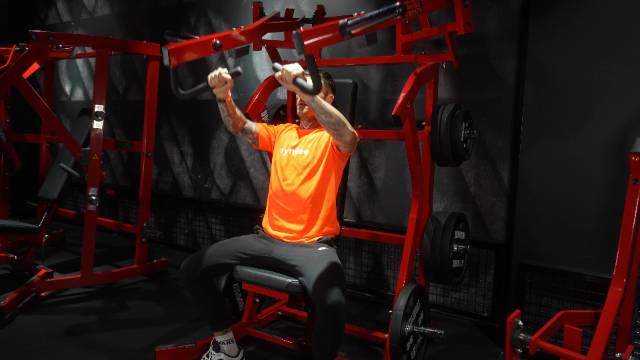
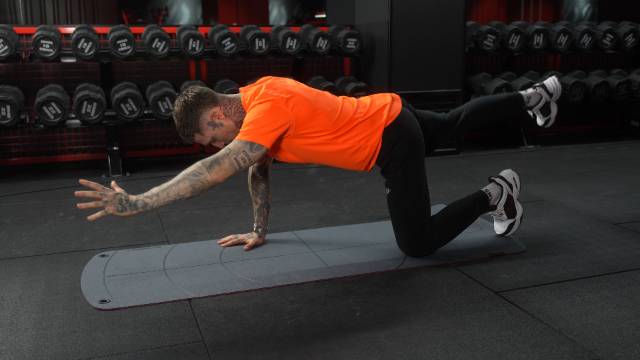
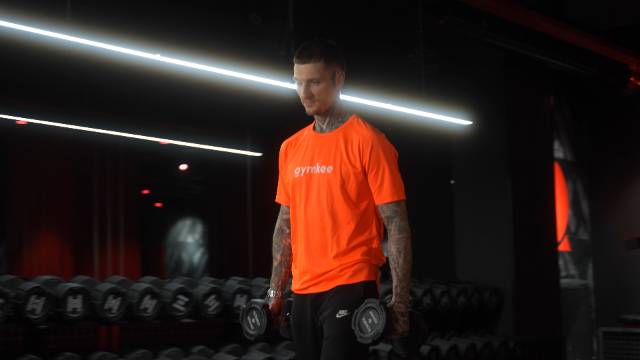
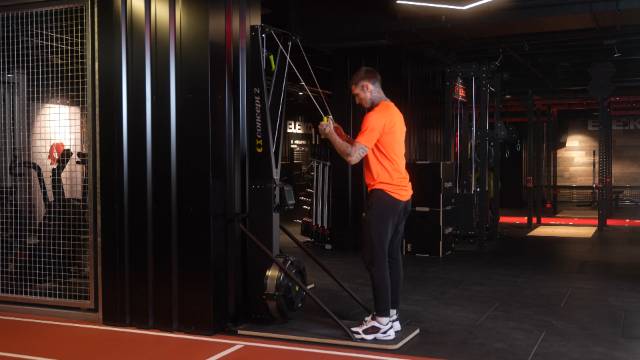
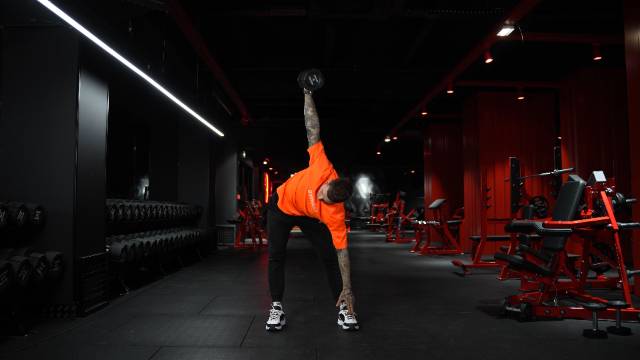
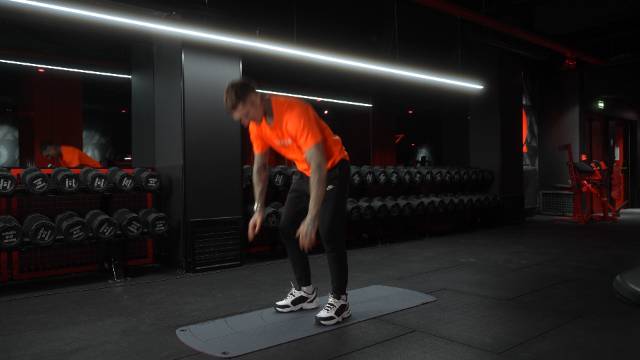
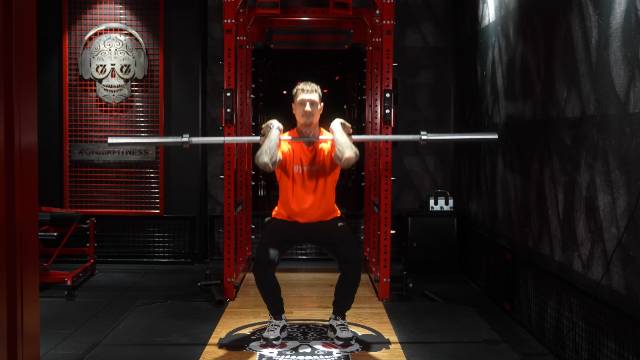
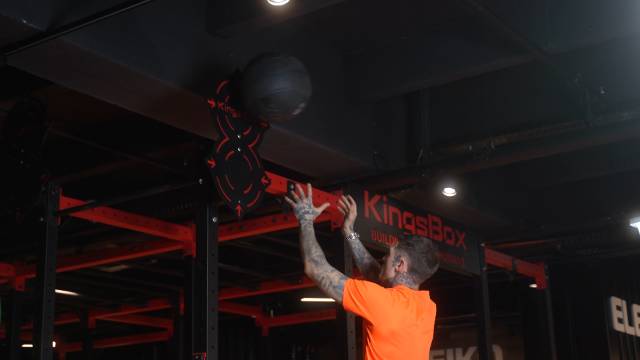
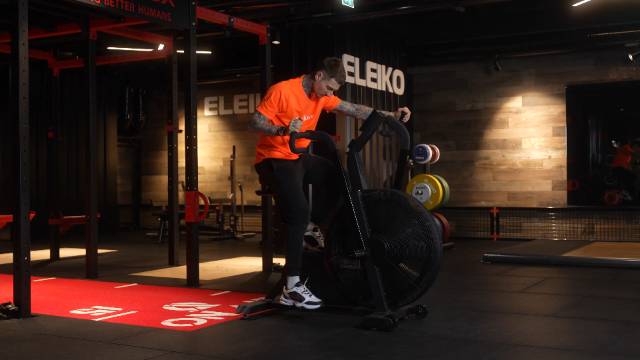
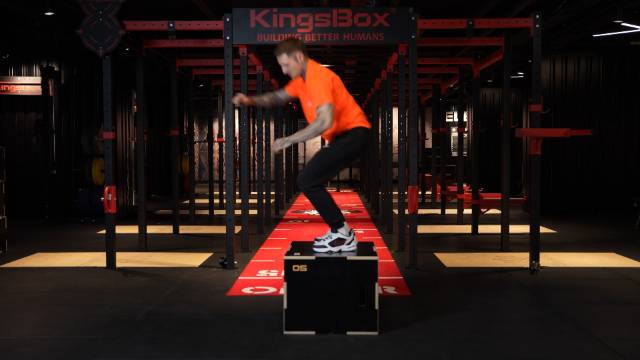
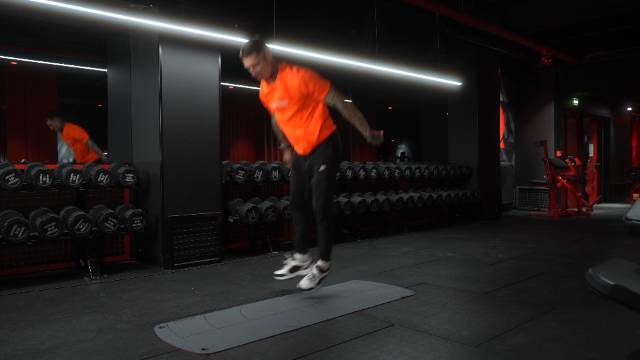
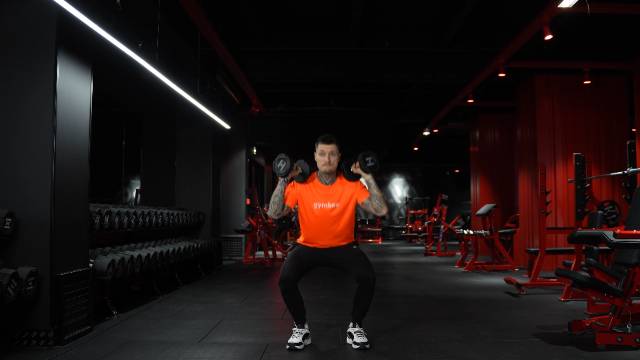
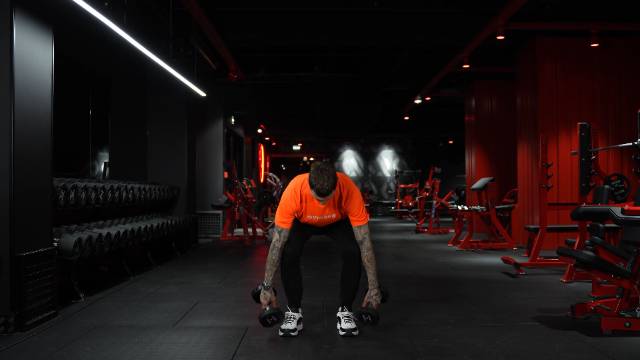
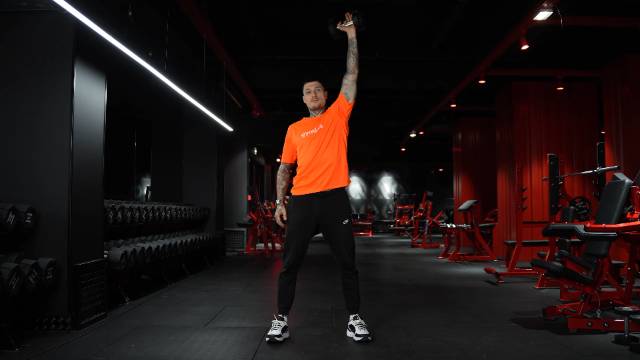
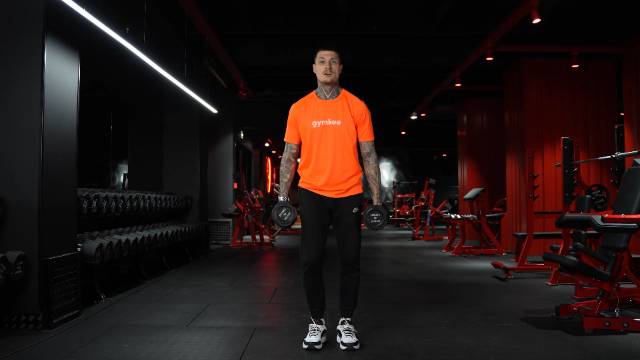
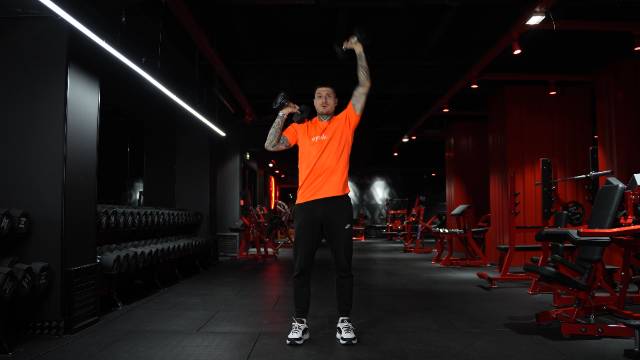
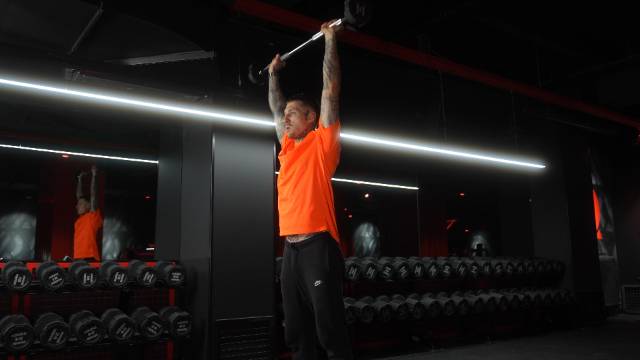
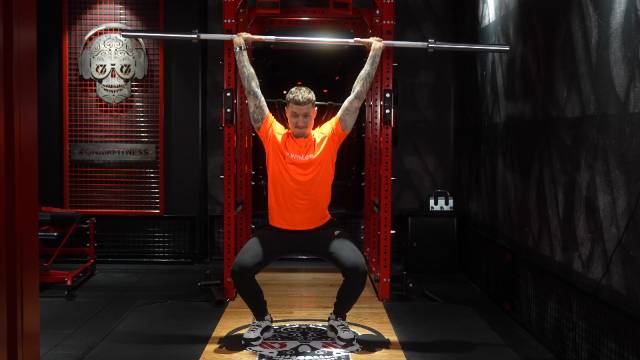
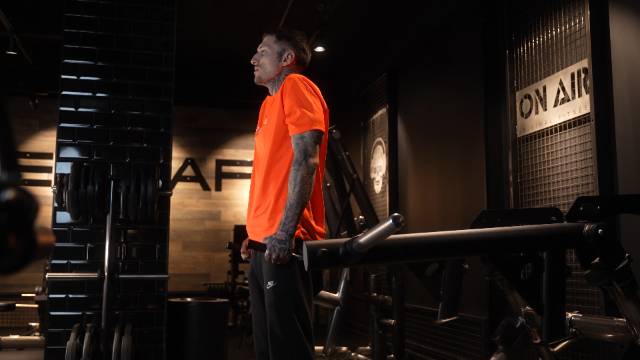
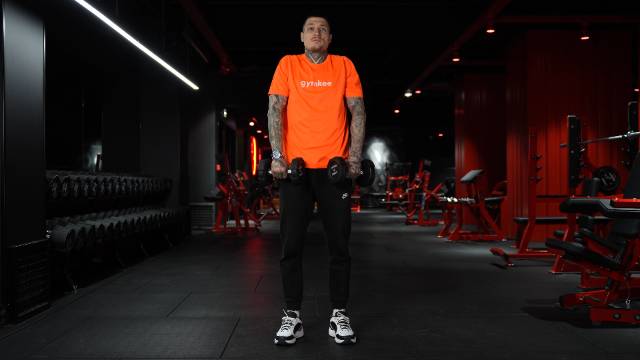
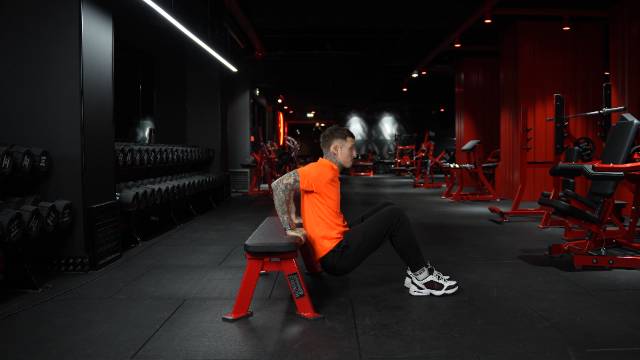
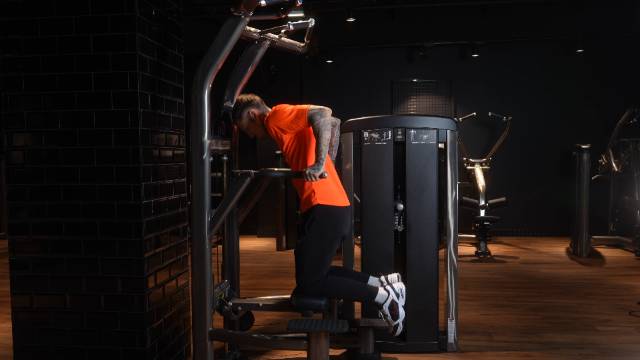
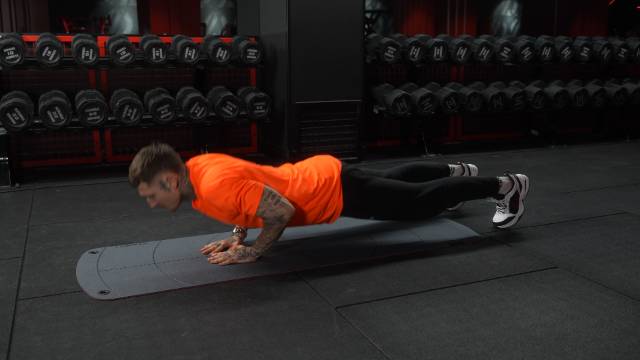
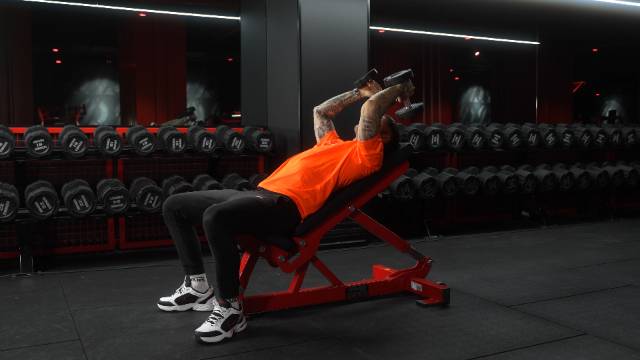
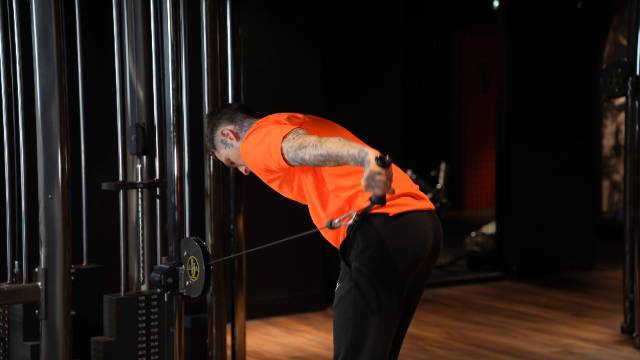
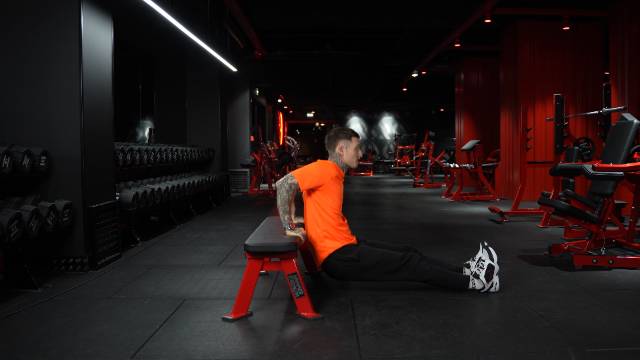
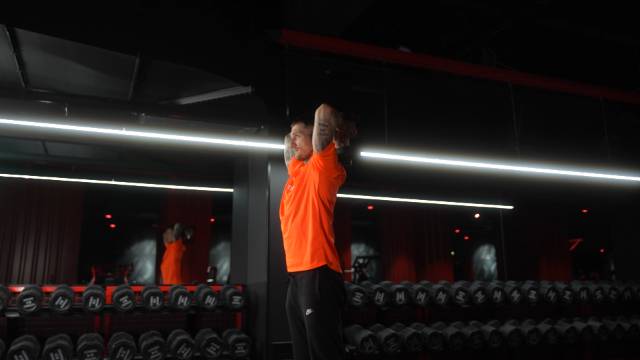
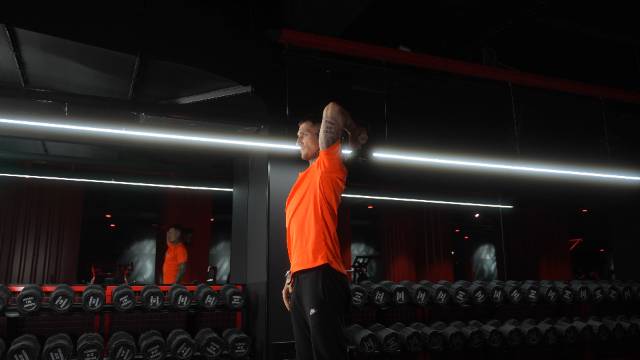
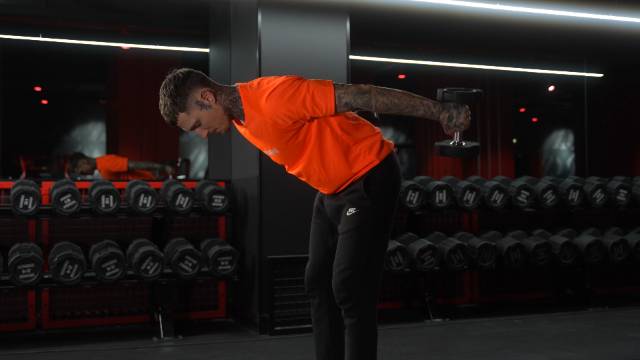
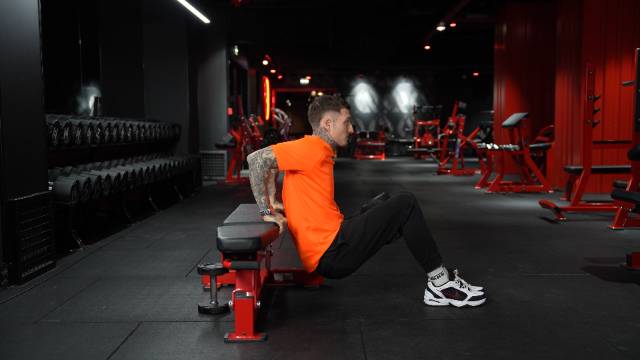
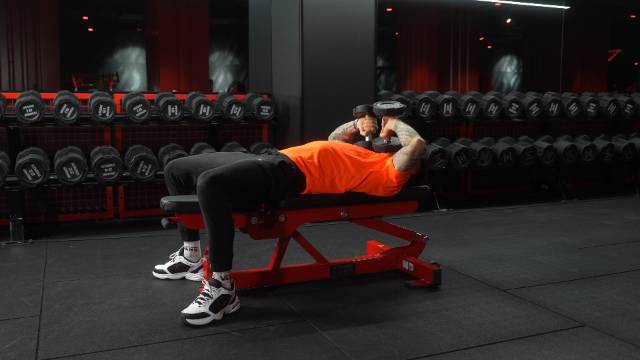
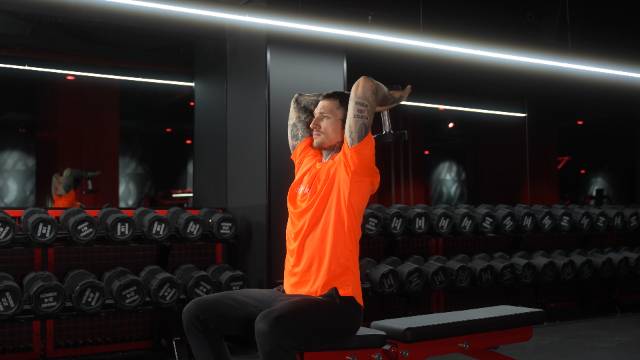
Prioritise the lateral head with lateral raises, upright rows and cable raises in the 12-20 rep range, and train them with strict form two or three times a week.
Not when the shoulders have the mobility to press vertically and the core is braced. If overhead pressing hurts, switch to landmine or neutral-grip dumbbell presses while you work on mobility and rotator-cuff strength.
They balance the pull of the chest and front delts, which improves posture and protects the shoulder joint. Most people are under-trained there, so face pulls and rear-delt flyes usually deliver fast results.
Create personalized training programs with Gymkee. Access 550+ exercises in 4K with male and female videos, multiple angles, and step-by-step instructions. Build custom workouts and deliver a professional experience to your clients.
