
Decline Dumbbell Bench Press
Learn how to do Decline Dumbbell Bench Press with proper form. Watch the 4K video demonstration, see which muscles are worked, and follow step-by-step instructions.
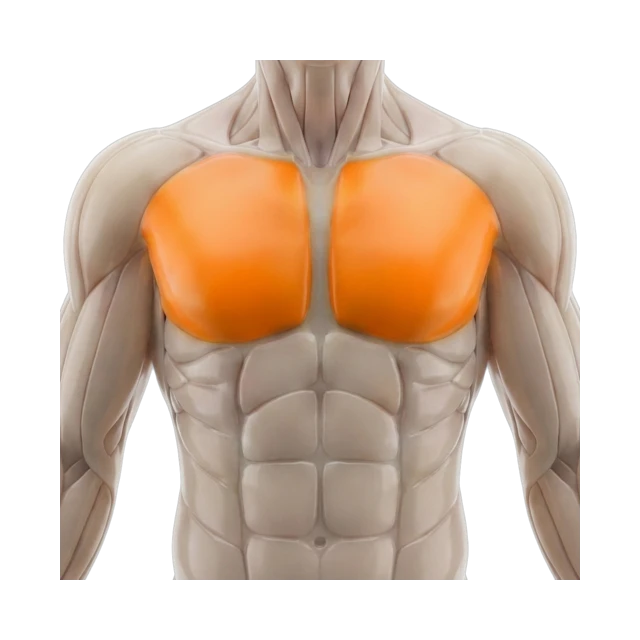
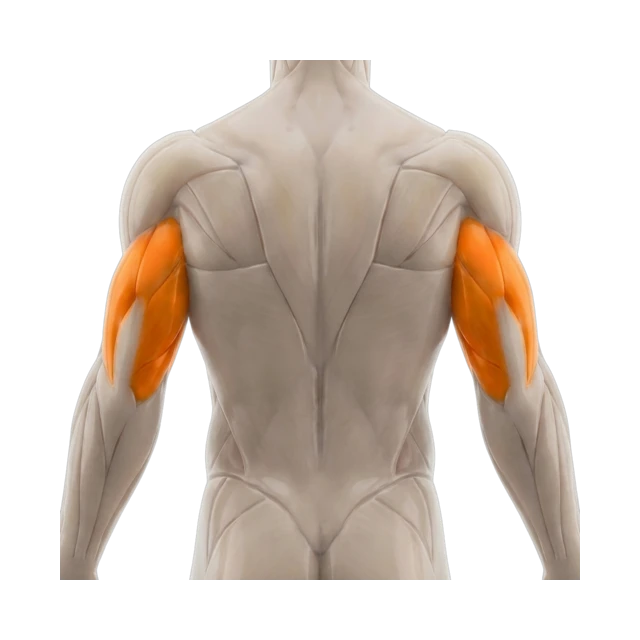
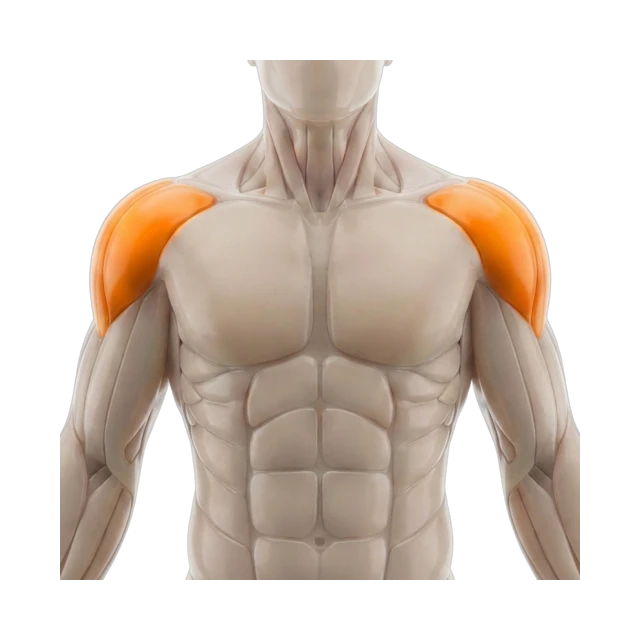
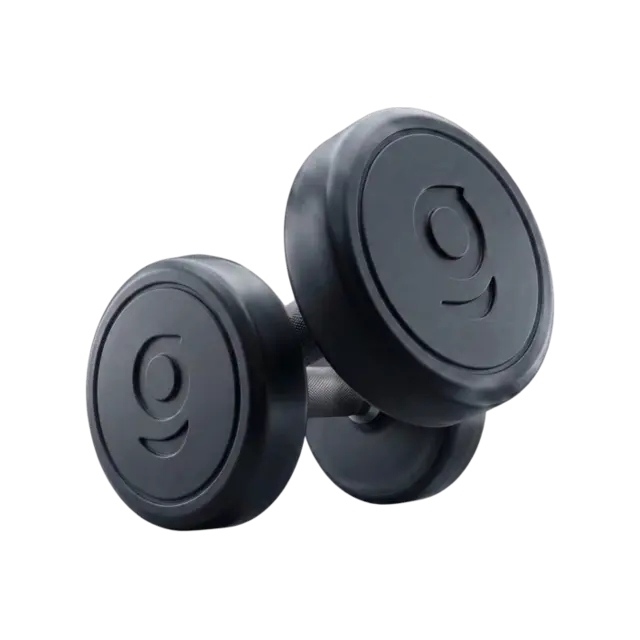
Decline Dumbbell Bench Press is a Dumbbells exercise that primarily targets the Chest, with secondary activation of the Triceps, Shoulders. It has a MET value of 4.5, meaning a 70 kg person burns approximately 160 kcal in a 30-minute session.
How to Do Decline Dumbbell Bench Press
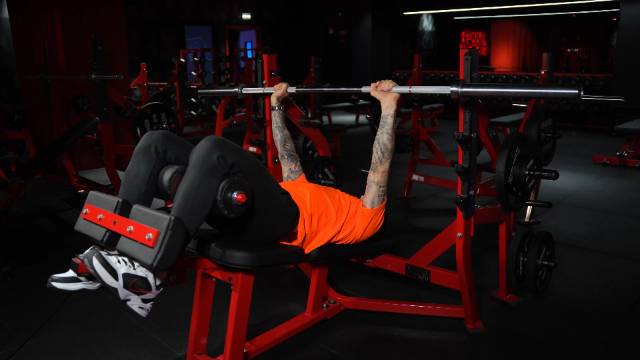
A chest press variation performed on a decline bench using dumbbells to target the lower portion of the pectorals.
Instructions:
Lie back on a decline bench holding a dumbbell in each hand above your chest, palms facing forward.
Keep your feet secure under the leg pads and your back pressed into the bench.
Lower the dumbbells slowly to the sides of your chest, elbows at about 90 degrees.
Press the dumbbells upward until your arms are fully extended without locking your elbows.
Maintain control throughout the movement and keep your wrists aligned.
Common mistakes:
Arching the lower back off the bench.
Dropping the dumbbells too quickly.
Locking out the elbows forcefully at the top.
You're a coach? Decline Dumbbell Bench Press is already in Gymkee's library of 550+ 4K exercises. Add it to your programs in seconds.
Start free trialMuscles & equipment
Calorie Calculator
MET 4.5kcal = MET × weight (kg) × time (hours)
Quick Facts: Decline Dumbbell Bench Press
- Type
- Dumbbells exercise
- Primary muscle
- Chest
- Secondary muscles
- Triceps, Shoulders
- MET value
- 4.5
- Calories (30 min, 70 kg)
- ≈ 160 cal
- Video quality
- 4K with male and female demonstrations
More Chest Exercises
FAQ: Decline Dumbbell Bench Press
Alternative Exercises
Add Decline Dumbbell Bench Press to your coaching programs
Create personalized training programs with Gymkee. Access 550+ exercises in 4K with male and female videos, multiple angles, and step-by-step instructions. Build custom workouts and deliver a professional experience to your clients.
© 2019–2026 KEEZOKU SAS. All exercise content (videos, descriptions, data) is protected intellectual property. Unauthorized reproduction, distribution, or modification is prohibited.
